How to Choose the Right Gas Well Pump for Your Needs?
Choosing the right gas well pump is crucial for efficiency and productivity in gas extraction. According to industry expert Dr. Emily Carter, “Selecting a gas well pump requires understanding both your specific needs and the technology available.” Her insights reflect the complexity of this decision-making process.
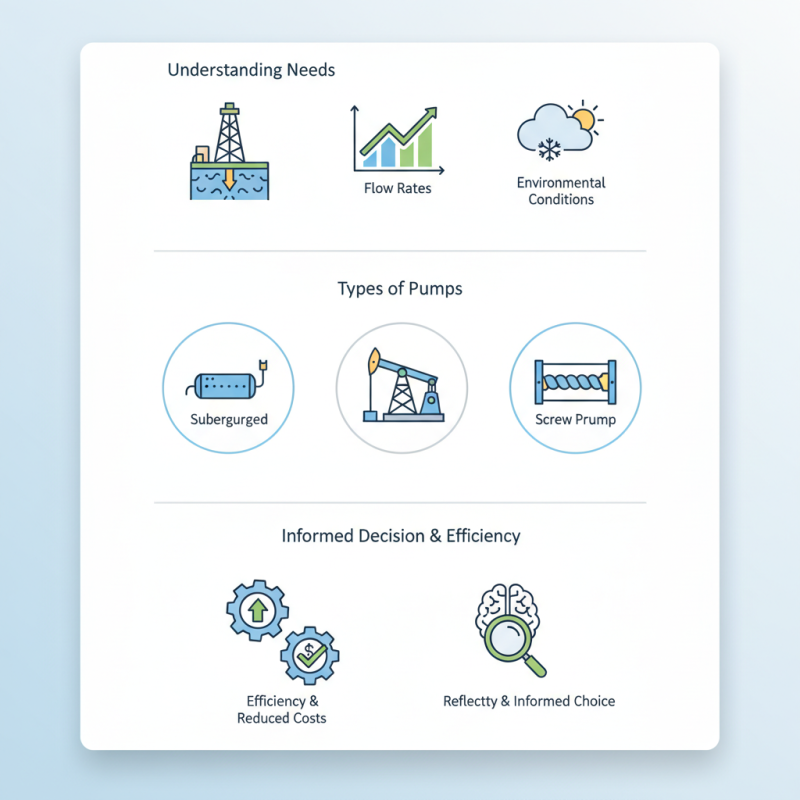
A gas well pump must align with your operational requirements. Factors such as well depth, flow rates, and environmental conditions play significant roles. One mistake could lead to reduced output or increased costs. Many operators overlook these details, leading to poor performance.
Understanding the different types of gas well pumps is essential. Submersible pumps, beam pumps, and screw pumps all have unique advantages. However, not every pump suits every situation. Reflecting on past choices can reveal lessons learned. Making an informed decision could greatly enhance efficiency and reliability.
Factors to Consider When Selecting a Gas Well Pump
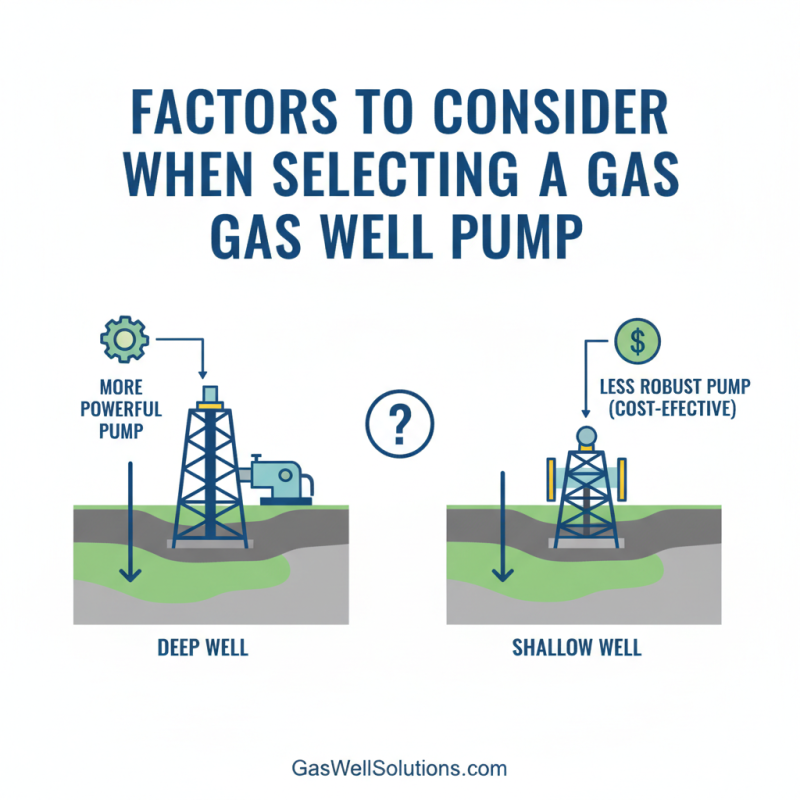
Choosing the right gas well pump involves examining several key factors. The depth of your well plays a crucial role. If the well is deep, a more powerful pump is necessary. Shallow wells can use less robust models, which may be more cost-effective.
Another factor is the fluid the pump will handle. If your gas well contains solids or corrosive materials, select a pump designed for such conditions. Pumps made from durable materials can prevent premature wear and tear. Tips: Always consider the type of gas and its properties when selecting your pump.
Energy efficiency is also vital. An efficient pump saves costs and reduces environmental impact. Sometimes, a cheaper pump may lead to higher energy bills later. Assess the long-term operational costs before making a choice. Review the maintenance needs of the pump too. Some models require more upkeep, which can be a hassle.
Take the time to consult professionals. Their experience can guide your decision-making. Remember that the right pump not only meets current needs but anticipates future challenges. Carefully weigh all factors to ensure reliability and efficiency in the long run.
Types of Gas Well Pumps and Their Applications
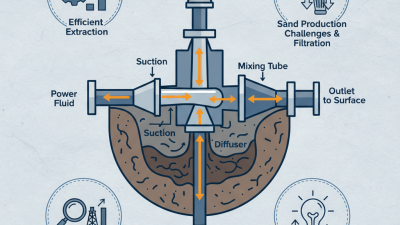
When selecting a gas well pump, understanding the different types available is crucial. There are primarily two categories: positive displacement pumps and centrifugal pumps. Positive displacement pumps are often used for their ability to handle viscous fluids efficiently. They work by trapping a fixed amount of fluid and forcing it through the discharge outlet. This makes them ideal for wells with thick gas or liquid combinations.
Centrifugal pumps, on the other hand, are suitable for applications requiring high flow rates. These pumps use rotational energy to move fluid, making them effective for low-viscosity applications. However, their efficiency decreases when dealing with heavy liquids. Knowing your specific needs will help in this choice.
Consider the installation environment, as well. Some pumps require more maintenance than others. A pump that works perfectly in one situation may struggle in another. Reflect on your operational conditions and how they align with pump capabilities. Choosing the right gas well pump involves more than just understanding the types; it also requires a deep knowledge of your unique requirements.
Gas Well Pump Types and Their Applications
Assessing Pump Capacity and Performance Requirements
Selecting the right gas well pump involves careful analysis of capacity and performance requirements. Understanding the specific flow rate needed for your operations is crucial. A report from the Gas Technology Institute highlights that most gas wells require pumps with flow rates ranging from 10 to 300 gallons per minute (GPM). This figure, however, can vary significantly based on well characteristics and production goals.
It's essential to also evaluate the discharge pressure required for your gas well. Many applications necessitate a discharge pressure of about 100 to 500 psi. Insufficient pressure can lead to decreased efficiency and increased costs. According to the American Petroleum Institute, nearly 25% of operations experience performance issues due to inadequate pump specifications. A detailed assessment of these parameters will help prevent potential operational setbacks.
Regular performance monitoring cannot be overlooked. Unexpected pump failures can lead to costly downtimes. Inspections should happen at least quarterly, as outlined in the National Institute for Occupational Safety and Health guidelines. This frequency allows teams to identify wear and tear early, ensuring reliability and efficiency. Evaluating pump capacity and performance demands ongoing attention and adjustment. This approach can seem tedious but is vital for long-term operational success.
How to Choose the Right Gas Well Pump for Your Needs?
| Pump Type |
Max Flow Rate (GPM) |
Pressure Rating (PSI) |
Efficiency (%) |
Application |
| Diaphragm Pump |
10-50 |
150 |
75 |
Low to Moderate Flow Applications |
| Progressing Cavity Pump |
20-100 |
250 |
85 |
Viscous Fluid Handling |
| Centrifugal Pump |
50-200 |
100 |
90 |
High Flow Low Viscosity Applications |
| Submersible Pump |
15-300 |
200 |
80 |
Deep Well Applications |
Understanding Maintenance Needs and Lifespan of Pumps
When selecting a gas well pump, it’s crucial to consider its
maintenance needs.
Regular upkeep can significantly extend the pump’s lifespan. For instance,
routine inspections help identify early signs of wear. Ignoring these signs
often leads to unexpected failures. It's vital to create a
maintenance schedule. This can prevent
costly repairs later.
Understanding the pump's lifespan is equally important. Most pumps have a defined operational duration.
Factors like the
environment and usage intensity can influence longevity.
Operating in harsh conditions may shorten this lifespan. Moreover, user
experience plays a significant role in maintenance.
Ensure your team is trained to handle basic issues. This knowledge can save time and resources.
Lastly, remember that no pump is perfect. Even high-quality models may require adjustments over time.
Reflecting on past maintenance experiences helps optimize future practices. Continuous learning is essential.
Evaluate what worked and what didn’t. This mindset creates a
proactive approach to pump management.
Cost Analysis: Initial Investment vs. Long-Term Efficiency
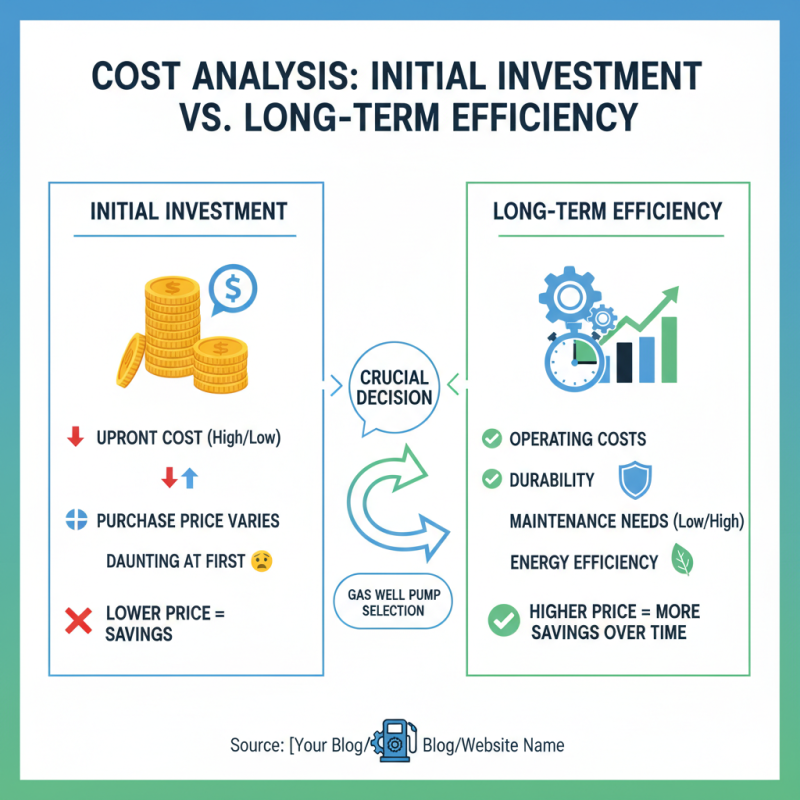
When selecting a gas well pump, cost analysis is crucial. The initial investment often feels daunting. Different pumps vary significantly in price. However, a lower starting cost doesn’t always equate to long-term savings. Consider durability and maintenance needs. Some pumps may have higher upfront costs but operate more efficiently over time.
Long-term efficiency can drastically reduce operational costs. A pump with more efficient energy consumption can save money month after month. Look for models that boast lower energy requirements. Assessing the possible lifespan of the pump is also important. Sometimes, cheaper options fail sooner, leading to more expenses. Make sure to evaluate the total cost of ownership.
Evaluate maintenance schedules as well. Some pumps require frequent servicing, adding to long-term costs. A balance between initial investment and future savings is essential. Your decision should align with operational needs. Reflect on how often the pump will be used and in what conditions. Each factor contributes to overall efficiency and transparency in cost analysis.