How to Choose the Best Water Well Jet Pump?

A reliable water well jet pump begins with the well, not the product label. The U.S. Geological Survey’s National Water-Use Science Project tracks groundwater withdrawals across public supply, homes, and irrigation. That matters because a pump must match the water source and the work expected of it. A shallow well, a deeper well, and a household with several open taps create different demands.

As groundwater specialist Dr. Leonard F. Konikow notes, “Groundwater is a valuable resource.” His USGS research highlights why careful groundwater management matters. For pump selection, the practical lesson is simple: confirm the well’s depth, static water level, recovery rate, and required flow before comparing models. A pump advertised with a high maximum output may not deliver that flow at your home’s actual lift and pressure. Check the manufacturer’s performance chart, not just the headline rating.

Picture a kitchen tap running while a shower starts. If pressure drops, the issue may be sizing, not a defective pump. Jet-pump design, pipe diameter, pressure-tank capacity, and installation conditions all affect performance. Some details are easy to overlook. This guide explains how to compare shallow-well and convertible models, read pump curves, and choose a setup that fits your well. Local measurements matter more than broad rules of thumb.
How to Choose the Best Water Well Jet Pump?

What Is a Water Well Jet Pump and How Does It Work?

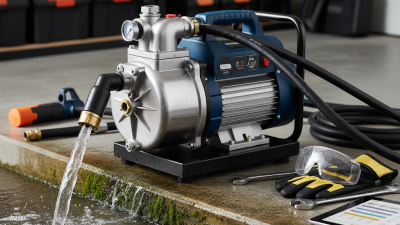
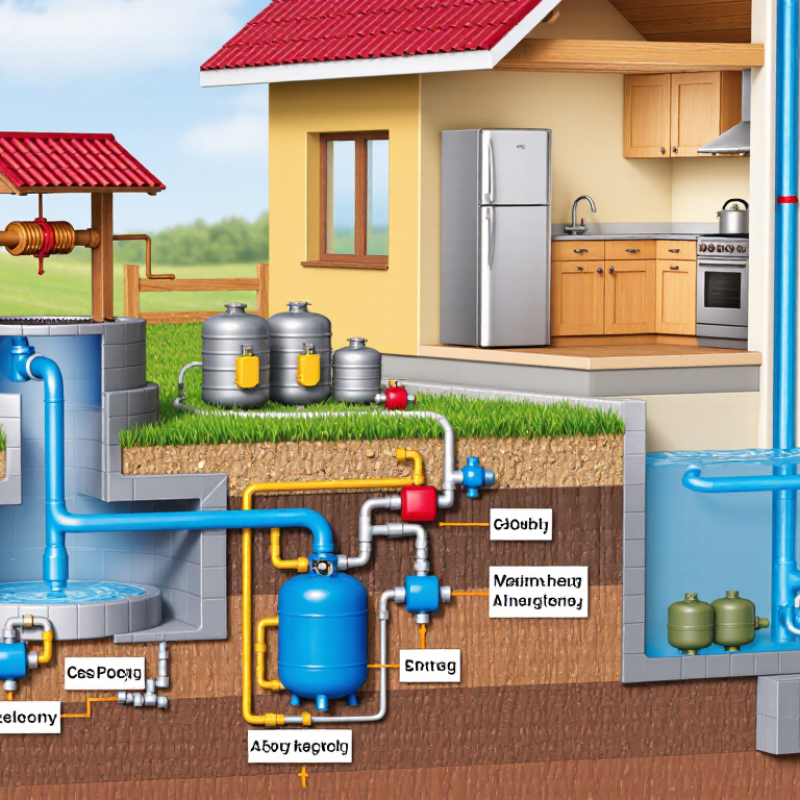
A water well jet pump moves groundwater by creating suction with a fast stream of recirculated water. The pump sits above ground, often in a garage or pump house, and connects to a well pipe. Inside, an impeller pushes water through a narrow nozzle. That flow creates a low-pressure area, drawing more water up from the well. It is a practical setup where a submersible pump cannot be used or serviced easily.

There are two common arrangements. A shallow-well jet pump uses one pipe and is generally suited to water levels around 25 feet or less. A deep-well system uses a jet assembly in the well and two pipes, allowing it to lift water from greater depths. Actual performance depends on the well’s water level, pipe size, and pump settings. A pump may look powerful on paper, yet struggle if the well cannot replenish water fast enough.

When water reaches the pump, the jet redirects part of it back through the nozzle; the remaining flow goes to the pressure tank and household plumbing. You may hear the motor cycle as pressure changes. A foot valve helps prevent water from draining back down, but leaks or a lost prime can stop the system from drawing water. The details matter. Measure the pumping water level, not just the well’s total depth, before selecting a pump.

How Deep Is Your Well, and What Pump Type Does It Require?

Before choosing a jet pump, measure the vertical distance from the pump to the water level while the well is running. Total well depth can be misleading. A well may extend 100 feet underground, yet its pumping water level may sit only 18 feet below the pump. That difference matters. Shallow-well jet pumps are generally suited to lifts of about 25 feet or less, but actual limits vary by model and conditions.

When the pumping water level is deeper, a deep-well jet system places an ejector assembly down in the well and can serve greater lifts. Check the pump’s performance chart against your expected water level and required flow; do not rely on the well’s drilled depth alone. A long pipe run, small pipe diameter, or falling water level can reduce performance. Keep it practical. Record the water level during pumping, note the distance to the house, and ask a qualified well professional to verify the measurements. A single measurement can be wrong, especially if the well has not been tested under sustained demand.

Which Pump Capacity and Performance Specifications Should You Compare?

Choosing a water well jet pump starts with matching capacity to your well, not selecting the largest motor. Check the pump curve for gallons per minute at your required pressure and total dynamic head. Total head includes vertical lift, pipe friction, filters, and household pressure. A pump producing 10 GPM at low head may deliver far less at 60 psi. That difference matters.

Measure the static water level, pumping level, and distance to the pressure tank. For shallow wells, confirm the suction lift stays within the pump’s practical limit, often around 25 feet. Deeper applications may require a two-pipe deep-well jet arrangement. Compare motor horsepower, maximum pressure, pressure-switch settings, and expected recovery rate. The well’s recovery rate should support demand without excessive drawdown. A larger pump is not automatically better. I have seen oversized units cycle rapidly, waste electricity, and strain household plumbing.

Tips: Read the performance curve carefully. Compare flow at your real operating pressure, not the headline maximum. Check pipe diameter and foot-valve condition, since restrictions can reduce output. Leave a safety margin, but avoid guessing. A modest reserve is useful. Also consider tank size, water sediment, and daily demand. My first estimate is rarely perfect; field measurements often reveal a shorter pipe run, lower pressure, or slower well recovery than expected. When results conflict, verify the measurements before changing the pump.

How to Choose the Best Water Well Jet Pump?

Compare pump capacity and performance at different total dynamic heads (TDH)

How to read this chart: The estimated flow is calculated from water horsepower using a 50% hydraulic-efficiency assumption: Flow (GPM) = 3960 × horsepower × efficiency ÷ TDH. Actual jet-pump output depends on the manufacturer’s pump curve, suction lift, pipe size, pressure-tank setting, elevation, and system friction losses. For shallow-well applications, practical suction lift is commonly limited to approximately 25 feet because atmospheric pressure limits the theoretical water lift to about 33.9 feet at sea level.

How Do Power, Materials, and Installation Conditions Affect Your Choice?

How to Choose the Best Water Well Jet Pump?

Power must match the well, not just the house. A pump’s horsepower should cover vertical lift, pipe friction, pressure needs, and peak flow. The U.S. Geological Survey reported 82.3 billion gallons of groundwater withdrawals daily in 2015, showing how heavily wells support communities and farms. However, household demand varies sharply. A small home may need steady pressure, while irrigation creates sudden flow demands. Oversizing can increase cycling, noise, and electricity use. Undersizing may leave taps weak. It is not a perfect calculation.

Materials matter where water touches the pump. For drinking-water systems, choose components meeting NSF/ANSI/CAN 61 requirements. U.S. federal rules also limit lead in wetted plumbing surfaces to a weighted average of 0.25 percent. Stainless steel or corrosion-resistant thermoplastics can suit acidic or mineral-rich water, but no material fits every well. Test the water first. Iron, sand, and low pH change the decision.

Installation conditions often decide performance. Measure the static water level, pumping water level, well depth, pipe diameter, and distance to the pressure tank. The U.S. Environmental Protection Agency advises private well owners to test water regularly and maintain sanitary protection around the well. A foot valve that leaks can cause repeated starts. Poorly sized piping can waste pressure. In my field experience, the wiring is often treated as an afterthought. That is a mistake. Follow local electrical codes, provide dry weather protection, and leave room for future servicing. Fancy specifications cannot rescue a badly installed pump.

How Can You Match a Jet Pump to Your Household Water Needs?

Choosing a jet pump starts with your household’s actual water habits, not the pump label. Count the fixtures that may run together, such as a shower, washing machine, and kitchen tap. A modest home may need 8 to 12 gallons per minute during peak use. Larger homes, irrigation, or several bathrooms can require more capacity.

Measure the well’s static and pumping water levels before selecting a model. A shallow-well jet pump usually suits water levels within about 25 feet. Deeper wells may need a convertible jet pump with a special ejector assembly. Check the well’s recovery rate, too. A powerful pump cannot create water that the well does not supply. Well data can change.

Match the pump to your pressure tank, pipe size, and pressure-switch settings. A small pressure tank may cause frequent starts, which increases wear and noise. Oversizing can also create problems, including inefficient cycling and unstable pressure. I would leave a practical safety margin, but not an extreme one. Peak use matters. Test flow at the farthest tap, because pressure loss through long or narrow pipes is easy to underestimate. Some household estimates will be imperfect, especially when future water use is unclear. Recheck the calculation if you add bathrooms, sprinklers, or water-treatment equipment.

How to Choose the Best Water Well Jet Pump? — How Can You Match a Jet Pump to Your Household Water Needs?
What to Check Household or Well Condition Jet Pump Match Practical Selection Guidance
Well water level and suction lift The pumping water level is about 25 feet or less below the pump. Typically, a shallow-well jet pump with its ejector assembly at the pump. Measure the vertical distance from the pump to the water level while pumping, not just the well’s total depth. Actual lift is also affected by pipe losses, altitude, and the pump’s performance curve.
Well water level and suction lift The pumping water level is more than about 25 feet below the pump. A deep-well jet pump with an ejector installed down in the well is commonly used within the equipment’s rated range. Deep-well jet systems can serve greater lifts than shallow-well systems, but their maximum depth and delivered flow depend on the ejector, pump, piping, and water level. Confirm the manufacturer’s performance chart for the actual installation.
One or two people; modest simultaneous use For example, a shower and a sink may be used at the same time. Choose a pump that can meet the calculated flow at the required pressure and total dynamic head. A typical showerhead is limited to 2.5 gallons per minute (gpm) or less under U.S. federal standards; faucets and other fixtures vary. Add the flows of fixtures likely to run together rather than choosing by household size alone.
Several people; multiple fixtures may run together Concurrent showers, faucets, laundry, or other water use are expected. Compare candidate pumps by their flow at the required operating pressure, not by maximum flow or horsepower alone. Estimate peak simultaneous demand in gpm, then check the pump curve at the system pressure and lift. A pump’s advertised maximum flow is generally measured under different conditions and may not represent its usable flow at the home.
Required household pressure The home uses a conventional pressure switch and pressure tank. Select a pump compatible with the intended switch settings and capable of supplying the required pressure at the needed flow. Many residential systems use a 30/50 or 40/60 psi pressure-switch setting; these are examples, not universal requirements. Confirm that the pump can reach the cut-out pressure and that the plumbing and fixtures are suitable for the chosen setting.
Total dynamic head Water must be lifted and moved through piping, fittings, filters, and elevation changes. Use the pump curve at the calculated total dynamic head (TDH). TDH accounts for elevation lift, the pressure required at the system, and friction losses in pipes and fittings. A deeper well, long pipe run, small pipe, or restrictive filter can reduce delivered flow.
Well yield The well’s sustainable output may be lower than peak household demand. Choose a pump and system setup that do not routinely draw water faster than the well can replenish it. Have the well’s yield and pumping water level checked. A large pump cannot increase the well’s natural supply and may cause excessive drawdown or loss of prime.
Pressure tank and cycling The pump will supply a pressure tank. Size the tank using its drawdown capacity and the pump’s flow and switch settings. Drawdown is the usable water delivered between the switch’s cut-out and cut-in pressures; it is less than the tank’s stated total volume. Correct sizing helps limit rapid pump cycling. Follow the tank and pump instructions for pre-charge and switch settings.
Electrical supply and installation The available circuit, voltage, wiring, and installation location must suit the pump. Choose a model whose electrical rating and environmental requirements match the site. Check the nameplate and installation manual for voltage, current, circuit protection, grounding, and required pipe sizes. Use a qualified installer where required by local codes.
Final matching rule Well depth, pumping water level, peak flow, pressure, and piping conditions are known. Match the pump’s published performance curve to both the required gpm and TDH. Do not select by horsepower alone. Verify the well’s pumping level and yield, then confirm that the selected pump can deliver the household’s expected flow at the required pressure and lift.