How to Choose the Right Oilfield Jet Pump for Your Needs?
Choosing the right oilfield jet pump is crucial for efficient operations. The wide variety of models available can be overwhelming. Understanding your specific needs is essential to make the best choice. Different applications demand different types of pumps.
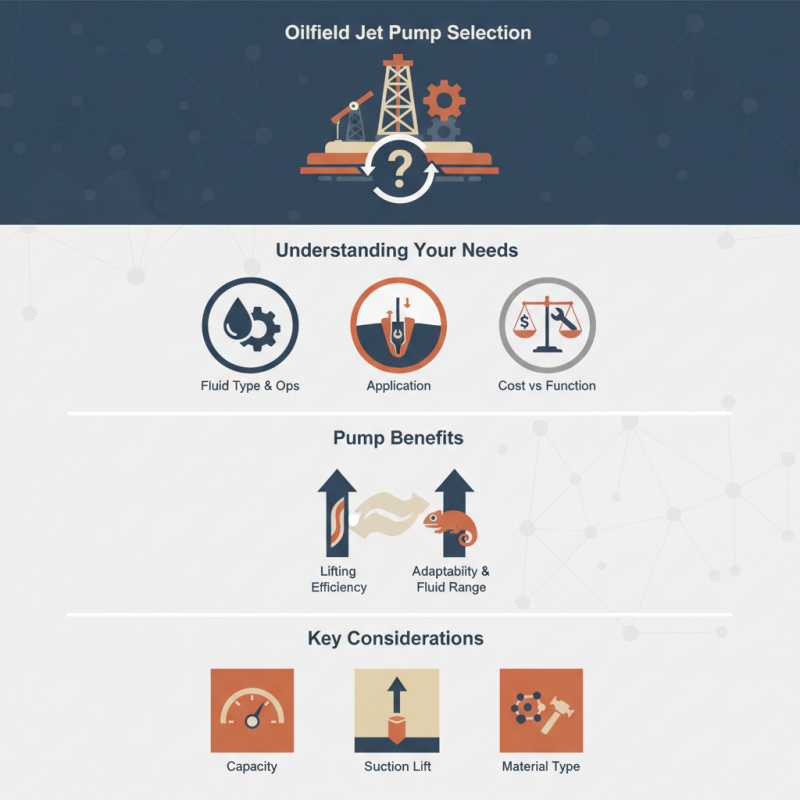
Oilfield jet pumps offer unique benefits, such as lifting efficiency and adaptability. They can handle a range of fluid types. This flexibility makes them popular in the oil and gas industry. However, some pumps are more suitable for certain conditions than others.
You may find it challenging to analyze pump specifications. Factors like capacity, suction lift, and material type all affect performance. It's important to reflect on your operational requirements. Each project is unique, and a one-size-fits-all approach may lead to inefficiencies. Balancing cost and functionality will lead to an informed decision.
Factors to Consider When Selecting an Oilfield Jet Pump
Choosing the right oilfield jet pump requires careful consideration. One key factor is the pump's flow rate. This rate needs to match the production requirements of the oilfield. A mismatch can lead to inefficiencies. It’s essential to analyze the specific volume of fluids you wish to handle. Additionally, the fluid's characteristics, such as viscosity or gas content, can significantly affect pump performance.
Another important element is the depth of the well. Deep wells may require more powerful pumps. However, this can lead to higher energy costs. Evaluating the total dynamic head is critical. Operators often overlook how variations in elevation can impact pump selection. Regular maintenance needs should also factor into your decision. Choosing a pump that requires frequent repairs can lead to increased downtime.
Lastly, consider the material construction of the pump. Corrosive or abrasive fluids can wear down lesser materials quickly. Opting for better materials might involve a higher upfront cost but can save money in repairs later. Reflecting on the long-term operational goals can guide this choice. Balancing initial investment with future reliability is no easy task. Conscious decisions yield the right fit for your oilfield needs.
Types of Oilfield Jet Pumps and Their Applications
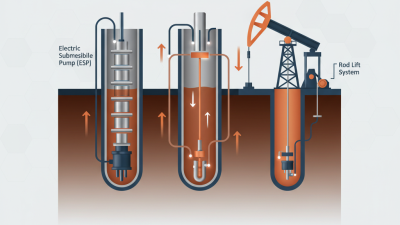
When selecting an oilfield jet pump, understanding the types and their applications is crucial. Oilfield jet pumps primarily fall into three categories: surface jet pumps, submersible jet pumps, and hydraulic jet pumps. Each type serves different operational needs and conditions.
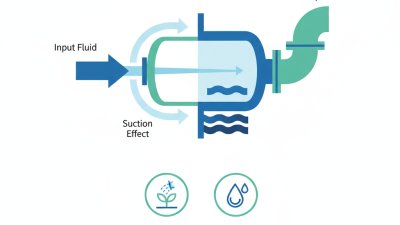
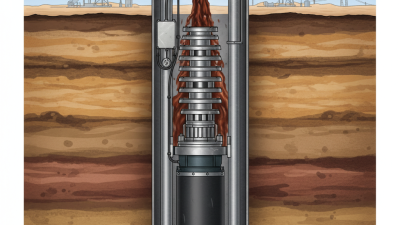
Surface jet pumps are often employed in low to medium pressure scenarios. They utilize high-pressure fluids to create suction, helping to lift oil to the surface. According to the Society of Petroleum Engineers, these pumps can achieve efficiencies up to 75% under optimal conditions. Submersible jet pumps, on the other hand, are designed for deep well applications. They efficiently handle high-flow environments and can operate at depths exceeding 1,500 meters. Industry studies show they can increase production rates by over 20% compared to traditional methods.
Hydraulic jet pumps are versatile, allowing for both high-viscosity fluids and gas handling. Data indicates they can perform effectively in environments with varying temperatures and pressures. However, choosing the right pump requires a detailed analysis of site-specific conditions. Limited compatibility with certain fluids or suboptimal efficiency in particular scenarios may lead to increased operational costs. Ultimately, thorough planning and expert insight are vital for making an informed choice.
How to Choose the Right Oilfield Jet Pump for Your Needs?
| Pump Type |
Applications |
Flow Rate (GPM) |
Pressure Range (psi) |
Efficiency (%) |
| Water Jet Pump |
Submersible applications in water wells |
10 - 150 |
50 - 150 |
60 - 75 |
| Oil Jet Pump |
Heavy oil extraction and transportation |
50 - 200 |
60 - 300 |
50 - 70 |
| Gas Lift Jet Pump |
Enhancing oil recovery in gas and oil wells |
20 - 120 |
150 - 500 |
70 - 85 |
| High-Pressure Jet Pump |
Jetting applications in high-pressure environments |
5 - 100 |
300 - 1000 |
80 - 90 |
Determining the Optimal Pump Size and Capacity Requirements
Choosing the right oilfield jet pump requires careful consideration of size and capacity. The pump's efficiency directly relates to the well's characteristics. Factors like fluid viscosity and temperature must be evaluated. An oversized pump can lead to inefficiencies, wasting energy and resources. Conversely, an undersized pump can lead to insufficient well production, which is not ideal.
To determine the optimal pump size, assess the flow rate needed for your operations. Calculate your well's expected production volume. It's essential to understand the specific requirements of your project. A common mistake is to overlook these calculations, resulting in selection errors. Each oilfield environment is unique, so standard solutions may not apply.
Capacity requirements involve understanding both peak and average output needs. Consider seasonal variations and potential future growth. An adaptable solution is often beneficial. However, rushing this evaluation process can lead to costly mistakes in the long run. Conducting thorough research and seeking expert advice can mitigate these issues. Accuracy in these assessments enhances productivity and reduces operational costs.
How to Choose the Right Oilfield Jet Pump
Assessing Environmental and Operational Conditions for Pump Efficiency
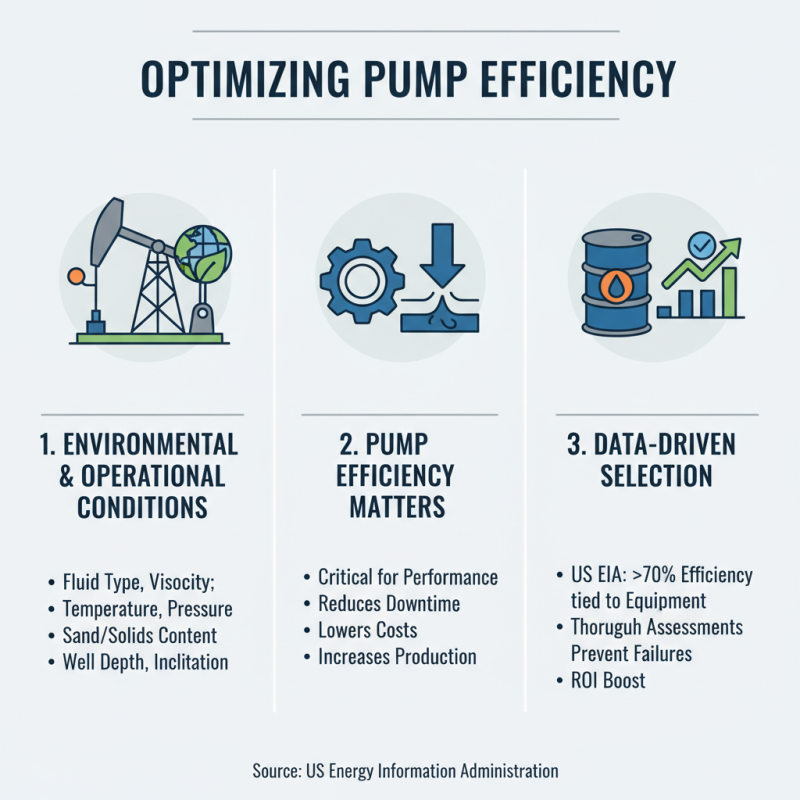
Selecting the right oilfield jet pump requires a thorough understanding of environmental and operational conditions. These factors greatly influence pump efficiency, which is critical for optimizing performance. According to a recent report by the U.S. Energy Information Administration, over 70% of oil production efficiency is tied to equipment choices. Inadequate assessments can lead to costly failures.
Operational conditions such as fluid viscosity and temperature significantly affect pump behavior. If the operating environment varies widely, the chosen pump may not perform as expected. A study from the Society of Petroleum Engineers indicates that pumps can lose up to 15% efficiency in extreme temperature ranges, making it vital to match equipment to these conditions. It’s also essential to consider the potential for corrosion based on fluid composition.
Environmental factors shouldn't be overlooked. For instance, changes in pressure can impact not only efficiency but also safety. Nearly 30% of jet pump failures occur due to unforeseen environmental shifts. Evaluating these conditions requires experience and detailed analysis. Reliable data can guide these assessments, yet many companies still underestimate the importance of comprehensive environmental studies. Inadequate knowledge can lead to costly mistakes in pump selection.
Budgeting and Cost Analysis in Oilfield Jet Pump Selection
When selecting an oilfield jet pump, budgeting and cost analysis play a critical role. Initial costs include the pump itself, installation, and any necessary modifications. Understanding your financial limits is essential. If you exceed your budget, it could impact your project’s overall success.
Additionally, maintenance costs must be considered. Regular maintenance is crucial to ensure optimal performance. Neglecting this can lead to unexpected expenses. Consider the lifespan of the pump and potential failure rates. A less expensive model might seem appealing but could result in higher long-term costs.
Analyzing total cost of ownership offers insight into true expenses. This includes energy consumption and repair costs over time. Look for systems that deliver efficiency to minimize ongoing expenses. It's wise to benchmark against industry standards to ensure you're making a sound investment. However, be prepared to reassess your assumptions. Balancing cost with performance is a complex task that requires thoughtful evaluation.