How to Choose the Right Artificial Lift Pump for Your Needs?
Choosing the right artificial lift pump is crucial for optimizing production in oil fields. An artificial lift pump enhances the extraction of oil from wells, especially in challenging conditions. When selecting a pump, multiple factors come into play. Each well presents unique challenges based on depth, pressure, and fluid characteristics.
It's essential to consider the specific requirements of your well. A mismatch in pump selection can lead to inefficiencies. Factors like pump type, capacity, and installation costs matter greatly. Key decisions can affect your production rate and overall costs. Engaging with experts can provide valuable insights and recommendations tailored to your needs.
Consider the technology behind different artificial lift pump types. Some may require more maintenance than others. Balancing efficiency with reliability is vital. An informed decision can reduce downtime and enhance productivity. In the end, the right choice can mean significant gains for your operation. Explore your options thoroughly to ensure optimal outcomes.
Understanding Artificial Lift Pump Types and Their Applications
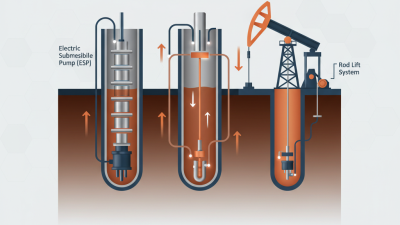
When selecting an artificial lift pump, understanding the types and their applications is crucial. Various lift methods exist, and selecting the appropriate type can greatly affect production efficiency. For instance, electrical submersible pumps (ESPs) are efficient in many wells, especially for high-volume operations. According to the Society of Petroleum Engineers, about 75% of oil wells in the U.S. utilize ESP systems, showcasing their widespread application.
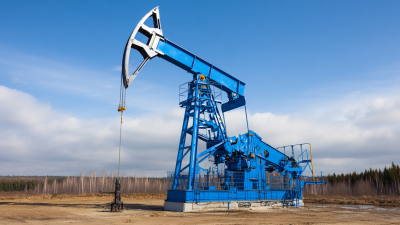
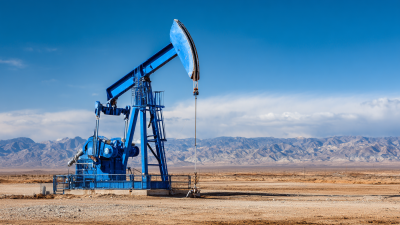
Another common choice is the rod lift system. This type is often preferred in shallow wells and for heavier crude oils. A study from the American Petroleum Institute indicates that rod pumps can recover up to 95% of hydrocarbons in certain environments. However, they may require more maintenance and are less effective in deeper wells.
Progressive cavity pumps (PCPs) also serve a specific niche, effectively handling varying fluid viscosities. They can manage liquid phases with higher gas content. However, an improper selection can lead to inefficiencies. Evaluating well conditions and fluid types is essential. Adapting to specific challenges such as abrasive materials or fluctuating flow rates requires careful consideration. Each pump type has strengths and weaknesses that demand reflection and planning.
How to Choose the Right Artificial Lift Pump for Your Needs?
Assessing Your Well's Characteristics for Pump Selection
When selecting an artificial lift pump, it is crucial to assess your well's characteristics. Understand the depth of the well and the production capacity required. The type of fluid in the well also affects pump choice. For example, oil wells often have different lifting needs compared to water wells. Analyze the viscosity and gas content of the fluid. These factors will significantly influence your effective pump selection.
Tips: Always start with a well test to gather data on flow rates and fluid properties. This data helps in making informed decisions.
Consider the well's stability and environment. Is it prone to sand or other debris? Pumps in such conditions need additional features to mitigate wear. Regular monitoring can help in recognizing these challenges early.
Tips: Evaluate and compare different pump designs tailored for specific well conditions. This approach can enhance reliability and reduce maintenance costs in the long run.
Ultimately, the right choice will depend on a careful evaluation of well characteristics and operational goals. Reflect on potential challenges and don't overlook changing conditions in your well. These insights can guide you through selecting the most suitable pump for your needs.
Evaluating Pump Efficiency and Performance Metrics
Choosing the right artificial lift pump requires a keen focus on efficiency and performance metrics. A well-chosen pump can significantly enhance oil recovery. According to a 2022 industry report, optimal pump efficiency can boost production by up to 30%. This metric is crucial in determining your selection. Higher efficiency translates directly into lower operational costs.
When evaluating a pump, consider flow rate and energy consumption. For instance, a pump with a high flow rate but poor energy efficiency may incur higher long-term costs. Some reports suggest that 15% of pumps operate below optimal performance levels due to outdated metrics. Finding a balance is vital.
Performance data, such as NPSH and TDH, also deserves scrutiny. The Net Positive Suction Head (NPSH) affects pump reliability and longevity. A miscalculation in NPSH can lead to cavitation, causing damage. Furthermore, Systems can underperform if not matched correctly with well conditions, requiring ongoing assessment. Collecting regular performance metrics allows for a reflective approach to pump management, leading to future adjustments that optimize output.
How to Choose the Right Artificial Lift Pump for Your Needs?
Evaluating Pump Efficiency and Performance Metrics
| Pump Type |
Max Flow Rate (bbl/day) |
Efficiency (%) |
Operating Depth (ft) |
Power Requirement (HP) |
| Electric Submersible Pump |
5000 |
85 |
8000 |
300 |
| Rod Pump |
3500 |
78 |
6000 |
250 |
| Progressing Cavity Pump |
2000 |
80 |
4000 |
150 |
| Hydraulic Pump |
4500 |
82 |
7000 |
280 |
| Beam Pump |
3000 |
75 |
5000 |
200 |
Determining Cost Factors and Budget Constraints
Choosing the right artificial lift pump involves understanding cost factors and your budget constraints. The initial investment can be significant. However, this is just the beginning. Operating and maintenance costs also play a crucial role. These ongoing expenses can add up over time.
Tips: Evaluate long-term performance. A cheaper pump may lead to higher maintenance costs. Invest wisely to avoid future headaches. Consider the efficiency ratings of different pumps. They can make a big difference in operational savings.
Budget constraints often limit your options. Be prepared to compromise between cost and quality. Sometimes a mid-range pump performs better than a cheaper model in the long run. Analyze your production needs closely. A tailored solution may help you avoid unnecessary expenditures. Remember, not every high-priced option is the best choice. Look for reliable vendors and check customer reviews for insights.
Consulting with Experts for Tailored Pump Solutions
When choosing the right artificial lift pump, consulting with experts can make a significant difference.
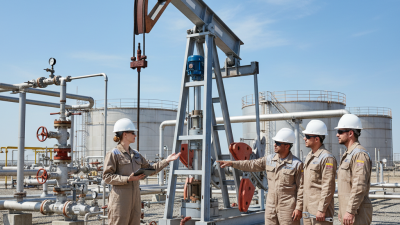
Experienced professionals often understand the nuances of different pump types and their applications. They can guide you through selecting a solution tailored to your specific needs. This personalized approach not only saves time but also enhances efficiency in your operations.
Experts delve into the technical aspects that may not be immediately apparent. They assess your site conditions, fluid characteristics, and production goals. Analyzing these factors allows them to recommend the most suitable pump configuration. Yet, relying solely on expert advice isn't always foolproof. You must actively engage and ask questions to fully understand the rationale behind their suggestions.
Additionally, adapting to feedback from pump performance is crucial. Sometimes, initial recommendations may not yield the expected results. This can prompt you to reconsider specific details like pump size or installation location. Regular consultations can refine your choices over time. Stay open to adjustments. This ongoing dialogue can lead to optimal outcomes for your artificial lift needs.