Choosing the right flow jet water pump requires more than comparing prices or reading a bright product label. The pump must match your water source, pipe length, required pressure, and daily workload. A small garden system may need modest flow, while a home with several outlets demands stronger performance. Check the pump curve carefully. It shows how flow changes as lifting height increases. Ignore this detail, and the pump may sound busy while delivering disappointing water pressure.
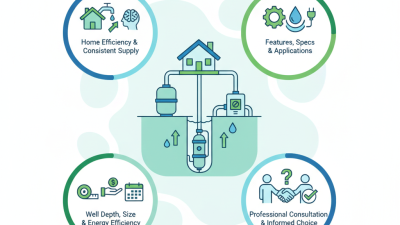
This guide presents seven practical tips for making a safer, more informed choice. It examines flow rate, total head, motor power, materials, noise, energy use, and installation conditions. Technicians often measure pipe distance, bends, valves, and elevation before recommending a model. Those details matter. Stainless steel parts can improve durability, but they do not solve every water-quality problem. A reliable flow jet water pump should also include clear specifications, overload protection, accessible service parts, and credible warranty support. Look for recognized safety certifications where applicable. Ask the supplier difficult questions. Does the stated flow rate reflect real operating conditions, or only an ideal test? That distinction is easy to miss. Even experienced buyers can overlook seasonal water-level changes or a clogged intake screen. This guide keeps those practical risks visible, helping you compare products with evidence rather than attractive claims.
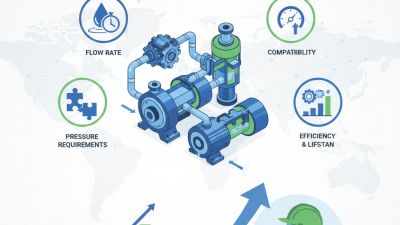
Choosing a flow jet water pump starts with two numbers: required flow and pressure. Do not rely on pipe size alone. Measure the water volume needed per minute. Then identify the pressure required at the outlet. A spray nozzle, filter, elevation change, or long hose can alter the duty point. Write it down.
Pressure is not only the gauge reading at the pump. Add static lift, pipe friction, fittings, and the pressure needed by the equipment. Lifting water eight meters consumes useful pressure before the nozzle works. A narrow hose may look convenient, yet it can create a surprising loss. Check the pump curve at your target flow, not its maximum advertised value. That maximum can mislead.
Use recent measurements whenever possible. A bucket test can verify flow, while a calibrated gauge checks pressure. Leave a modest operating margin, but avoid excessive capacity. An oversized pump wastes energy, increases noise, and stresses fittings. Water temperature and suspended particles also affect performance and maintenance. An early estimate is often too optimistic. Recheck the figures after installation, because real bends and elevation rarely match the drawing. Small details matter.
| Tip | Typical Application | Required Flow (L/min) |
Working Pressure (bar) |
Approx. Head (m) |
Suitable Pump Configuration | Key Selection Consideration |
|---|---|---|---|---|---|---|
| 1 | Household water supply | 20–50 | 2.0–4.0 | 20–40 | Self-priming jet or centrifugal pump | Match the pump to peak simultaneous demand and include pressure losses in pipes, fittings, and filters. |
| 2 | Garden and landscape irrigation | 30–120 | 2.5–5.0 | 25–50 | Centrifugal or multistage pump | Check sprinkler or nozzle flow requirements, irrigation-zone size, elevation change, and required operating pressure. |
| 3 | Rainwater tank transfer | 20–80 | 1.5–3.5 | 15–35 | Self-priming pump with dry-run protection | Confirm the minimum tank water level, suction lift, inlet strainer requirements, and protection against running without water. |
| 4 | Pressure washing | 7–20 | 80–150 | 800–1,500 | High-pressure plunger pump | Prioritize pressure and materials compatibility; use components rated for the operating pressure and water temperature. |
| 5 | Small fountain or water feature | 10–60 | 0.5–2.0 | 5–20 | Compact submersible or low-pressure centrifugal pump | Select for continuous-duty operation, low noise, adequate filtration, and a flow rate suitable for the fountain design. |
| 6 | Small commercial water circulation | 80–300 | 2.0–6.0 | 20–60 | End-suction or multistage centrifugal pump | Evaluate duty-cycle requirements, motor efficiency, fluid temperature, total dynamic head, and service accessibility. |
| 7 | Booster service for multiple outlets | 60–250 | 3.0–7.0 | 30–70 | Multistage booster pump with pressure control | Allow for peak demand, pressure-tank sizing, control-system limits, and a safety margin without oversizing the pump. |
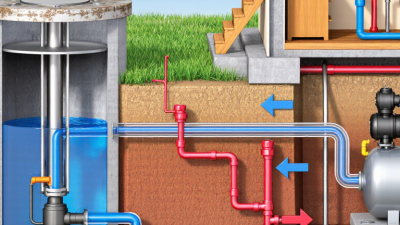
Choosing a flow jet water pump starts with the pipe system, not the pump label. A high flow rating may look attractive, but undersized pipes can restrict delivery, increase friction, and create noisy operation. Measure the pipe’s internal diameter, not only its outside size. Then record the required flow rate and the vertical distance the water must rise.
Pipe layout matters just as much. Long runs, sharp elbows, narrow valves, filters, and sudden diameter changes all consume pressure. Add these losses to the elevation lift when estimating total dynamic head. A useful pump should meet the required flow at this working head, rather than at its advertised maximum. That distinction prevents disappointing performance.
Measure twice. Calculate once.
I have found that simple layouts are often underestimated. A pump feeding a tank through several bends may need more pressure than expected, even with a short pipe run. Keep velocity reasonable, especially in smaller pipes, to reduce vibration and energy waste. If the pipe size changes, check every connection and reducer. A neat calculation can still be wrong when fittings are ignored. Leave a small operating margin, but avoid excessive capacity, which may cause cycling, leaks, or unnecessary wear. Reviewing the pump curve with actual site measurements gives a more dependable choice than relying on flow numbers alone.
Material choice affects water safety, service life, and maintenance frequency. WHO’s 2022 Guidelines for Drinking-water Quality stress that contact materials should not release harmful substances. For potable water, select components tested under NSF/ANSI/CAN 61 or an equivalent local standard. Stainless steel is usually a strong option for clean water and humid rooms. It resists rust better than ordinary carbon steel. However, chloride-rich water can still cause pitting. Stainless steel is not automatically corrosion-proof.
Cast iron suits many clear-water systems because it offers strength and reasonable cost. Its protective coating matters. A scratched coating can expose the metal quickly, especially in oxygen-rich water. Engineering plastics can resist many chemicals and reduce weight. Yet high temperature, ultraviolet exposure, and abrasive particles may weaken them. Check the actual temperature range, not only the brochure rating.
Operating conditions often decide the better material. The NACE IMPACT study estimated global corrosion costs at about $2.5 trillion annually, or 3.4% of global GDP. That figure makes cheap material substitutions worth questioning. Sand, silt, and frequent starts can damage impellers and seals. For these conditions, hardened metal parts may outlast standard plastics. But they may increase cost and weight. A practical selection also checks pH, chloride levels, temperature, flow rate, and cleaning chemicals. Many failures begin with incomplete water testing. That is the uncomfortable part. The “best” pump material can still be wrong for one untreated site.
7 Tips to Choose the Right Flow Jet Water Pump
Energy use should be checked at the real duty point, not only in a catalog. An oversized pump may run quietly while wasting electricity through throttling. The U.S. Department of Energy reports that pumping systems can consume a significant share of industrial motor energy. The International Energy Agency also estimates that electric motor systems use roughly half of global electricity. These figures make efficiency a practical purchasing issue. Request pump curves, input power data, and expected annual operating hours. Then compare lifecycle cost, not just purchase price.
Control features deserve equal attention. A variable-speed drive can match flow changes and reduce unnecessary pressure. Pressure sensors, dry-run protection, overload alarms, and remote fault signals add useful safeguards. However, controls are not automatically efficient. Poor sensor placement can cause constant speed changes and unstable pressure. I have seen installations where “smart” controls created more troubleshooting work. Keep the interface simple. Train operators to read alarms and operating trends.
Maintenance requirements should be visible before installation. Check access to seals, strainers, bearings, and electrical connections. The U.S. DOE recommends monitoring flow, pressure, vibration, and power in pumping assessments. Record baseline readings during commissioning. Small changes matter. A rising vibration level or falling flow rate may signal blockage or wear. Maintenance intervals should follow operating conditions, water quality, and manufacturer specifications. A weekly visual inspection may prevent an expensive failure, but it cannot replace periodic professional testing.
Check energy use, control features, and maintenance requirements before selecting a pump. The chart compares calculated annual electricity consumption for typical duty conditions.
Annual energy is calculated from water flow, total head, pump efficiency, and daily operating time using hydraulic power = ρ × g × flow × head ÷ efficiency. Compare pumps at the same duty point, favor adjustable-speed control when demand varies, verify overload and dry-run protection, and schedule strainer, seal, cable, and connection inspections at least quarterly in demanding environments.
Tip 1:
Verify safety compliance before comparing prices.
Check the pump’s rated voltage, insulation class, overload protection, and ingress rating. IEC 60335-2-41 covers safety requirements for household and similar electric pumps. Confirm that testing applies to your installation, not only the product family. A familiar certificate can still be misread.
Tip 2:
Study warranty coverage in practical terms.
The U.S. Department of Energy’s pumping-system guidance estimates that pumping can consume about 25% of industrial facility electricity. A reliable warranty should cover the motor, seals, controller, labor, and replacement shipping. Ask about exclusions for dry running, poor water quality, and incorrect installation. Keep service records and commissioning readings. They may matter more than the headline warranty period.
Tip 3:
Calculate total cost, not purchase cost.
Include electricity, filters, inspection, downtime, repairs, and eventual disposal. DOE guidance recommends evaluating pump systems through life-cycle costs, because energy can dominate ownership expenses.
For example, a pump running eight hours daily may cost far more in electricity than its purchase price within several years. Compare hydraulic efficiency at your actual flow and head. Maximum flow figures can be misleading.
A lower-priced model may also need frequent seal replacement. I would still request measured performance data, because catalog curves rarely reflect every pipe, valve, or temperature condition.