How to Choose the Right Industrial Pump for Your Needs?
Choosing the right industrial pump can seem daunting. With various types and applications, the task requires careful consideration. Experts in the field emphasize the importance of making an informed decision. John Smith, a renowned industrial pump specialist, once said, “Selecting the ideal pump is crucial for efficiency and longevity.”
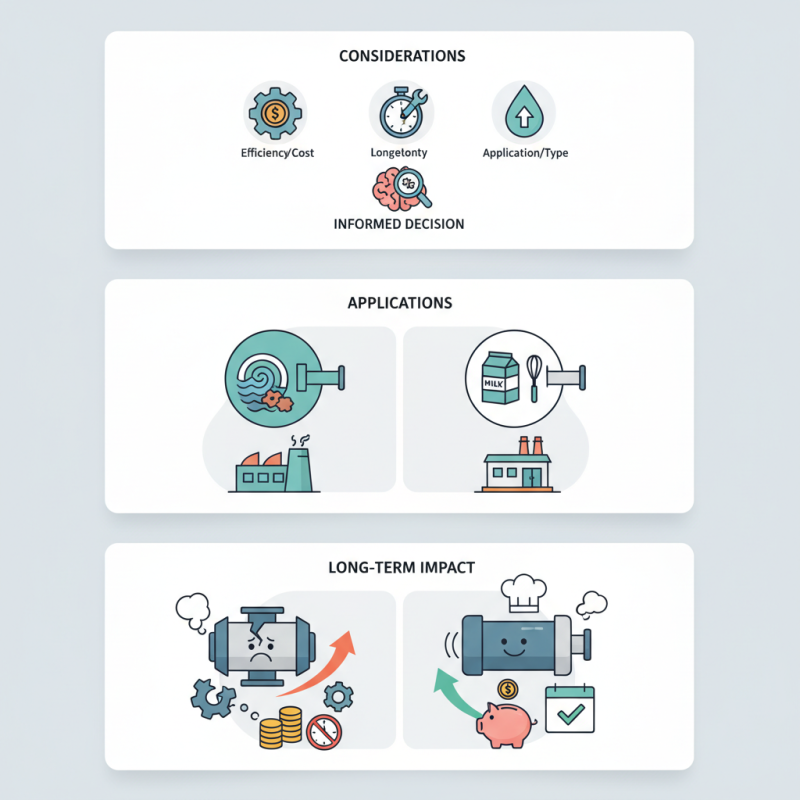
Industrial pumps serve various functions, from water distribution to chemical processing. Each application has specific requirements. For instance, a pump used in wastewater treatment must handle solids efficiently. On the other hand, a pump in food processing needs to meet stringent sanitation standards. Understanding these nuances is essential for optimal performance.
Many businesses overlook the long-term implications of their pump choices. Cost-saving strategies may seem appealing, but selecting a low-quality pump can lead to frequent breakdowns. This not only disrupts operations but also increases maintenance costs. Reflecting on these aspects can pave the way for better decision-making in the future.
Understanding Different Types of Industrial Pumps and Their Applications
Industrial pumps are crucial in various applications. Choosing the right type can impact efficiency and cost. Understanding different pump types helps in making informed decisions.
Centrifugal pumps are common for transferring fluids. They work by converting rotational energy into kinetic energy. This type is suitable for low-viscosity liquids. For high-viscosity or thick fluids, positive displacement pumps are better. They move fluid by trapping a fixed amount and forcing it through the outlet.
Specialized pumps exist for unique tasks. Diaphragm pumps handle slurries and corrosive chemicals effectively. Magnetic drive pumps reduce the risk of leaks but may not suit all environments. Assessing your specific needs and the fluid characteristics is essential. Without careful evaluation, inefficiencies could arise, leading to higher operational costs.
Key Factors to Consider When Selecting an Industrial Pump
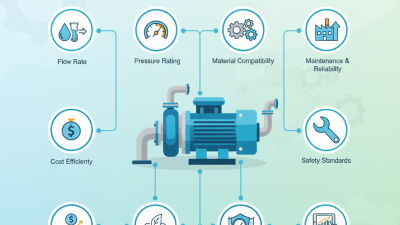
Choosing the right industrial pump involves several critical factors. Flow rate is fundamental. According to a report by the Hydraulic Institute, it accounts for 30% of pump selection criteria. Understanding your specific requirements is essential. A pump that moves too quickly or slowly can lead to inefficiencies and increased costs.
Pressure and head are also vital. Too much or too little pressure can cause cavitation or equipment failures. The American Society of Mechanical Engineers states that improper pressure settings contribute to 20% of operational downtime in pumping systems. Assessing the total dynamic head accurately ensures that your system functions optimally.
Material compatibility is another crucial aspect. Different fluids require specific materials to prevent corrosion or degradation. The Chemical Engineering journal highlights that 40% of pump failures arise from material mismatch. Users often overlook this factor, which can lead to costly repairs and replacements. Understanding fluid characteristics and environmental conditions is key to making informed decisions.
Industrial Pump Types Comparison
Evaluating Pump Performance Metrics: Flow Rate, Pressure, and Efficiency
Choosing the right industrial pump requires careful evaluation of key performance metrics. Flow rate is fundamental. It refers to the volume of fluid the pump can move in a given time. For example, a pump with a flow rate of 500 gallons per minute (GPM) is suited for higher demand tasks. A mismatch can lead to inefficiencies. A lower flow rate than needed may cause inadequate system performance.
Pressure is another critical metric. It indicates the force with which the pump moves fluid. Industrial applications often require different pressure levels. A high-pressure pump may push fluids through extensive piping systems. However, excessive pressure can lead to wear and tear. Balance is essential.
Efficiency affects both operational cost and longevity. An efficient pump minimizes energy consumption while providing the required output. Reports indicate energy costs can account for 80% of a pump's lifetime expense. Regular evaluations help identify inefficiencies. System upgrades or component repairs can yield significant savings.
Selecting a pump is not just about finding the highest metrics. Understanding specific needs is crucial. Sometimes, a less powerful pump can perform better in a given situation. Engaging with industry experts or conducting performance tests may lead to better choices. Ignoring these factors could result in costly operational setbacks.
Assessing Material Compatibility and Pumping Fluids for Longevity
Choosing the right industrial pump demands careful consideration of material compatibility and fluid properties. Various pumping fluids can exhibit different corrosiveness and wear rates on pump materials. For instance, according to a recent industry report, nearly 30% of pump failures are attributed to material incompatibility. This underscores the importance of selecting materials that can withstand specific fluids.
When assessing compatibility, consider not only the fluid itself but also its temperature and pressure conditions. For example, certain chemicals can degrade standard metals at elevated temperatures, leading to premature pump failure. A comprehensive analysis of fluid characteristics can help identify suitable materials. Reports indicate that businesses can increase pump longevity by 20% through meticulous material selection.
Additionally, not all materials perform equally under different operational conditions. Common misconceptions suggest that a standard material will suffice. In reality, factors such as viscosity and particle content play a crucial role. For example, slurries containing abrasive particles require specialized materials to reduce wear. Careful evaluation of these details can make the difference between a reliable pump and one that fails too early, stressing the need for a more nuanced approach in selection.
Cost Analysis and Budgeting for Industrial Pump Installation and Maintenance
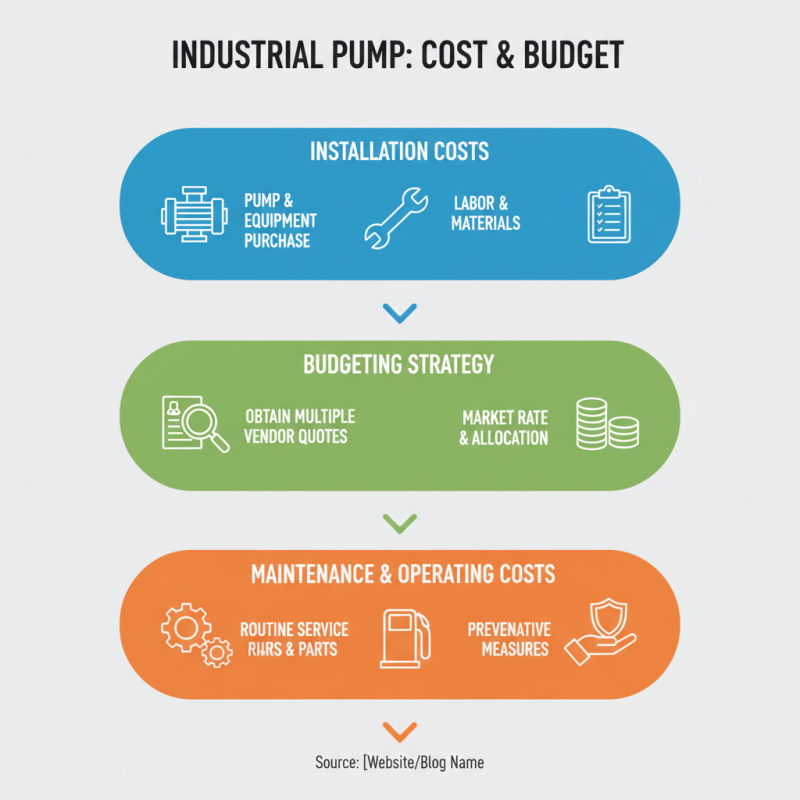
When budgeting for industrial pump installation, several key factors come into play. Initial costs involve purchasing the pump and associated equipment. Additional expenses include labor, materials, and permits. It is essential to obtain accurate quotes from multiple vendors. This helps in understanding the market rate and ensures better budget allocation.
Maintenance costs can be tricky. Regular upkeep is vital to avoid costly breakdowns. Create a maintenance schedule based on the pump's usage and manufacturer guidelines. Allocate funds for routine checks and potential emergency repairs. Unexpected issues may arise, making it crucial to set aside a contingency budget.
Unexpected costs can derail a project and impact overall operations. Engaging with industry experts can provide insights to refine budget estimates. Consider training for personnel to handle simple maintenance tasks. This can reduce reliance on external services and enhance reliability. Always review your budget regularly, adjusting as necessary to adapt to changing operational needs.