Top 10 Sucker Rod Pump Benefits for Oil Production?

Sucker rod pumps have become crucial in the oil production industry. With rising global energy demands, efficient extraction methods are more necessary than ever. Data from the Energy Information Administration indicates that sucker rod pumps represent about 40% of all oil production in the United States. This technology optimizes well performance, enhancing recovery rates while minimizing operational costs.

These pumps operate by lifting oil from underground reservoirs efficiently. They can adapt to varying well conditions, accommodating fluctuating production needs. The flexibility of sucker rod pumps allows for extended service life, which is vital for maximization in production output. Furthermore, advanced monitoring technologies improve maintenance schedules, reducing downtime.

However, challenges exist in maintaining these systems. Sucker rod pump failures can lead to significant production losses. Ensuring adequate training for operators to troubleshoot potential issues remains essential. The industry's focus on innovation continues to drive improvements, but understanding these challenges is necessary for optimal performance.

Top 10 Sucker Rod Pump Benefits for Oil Production?

Understanding Sucker Rod Pumps in Oil Production
Top 10 Sucker Rod Pump Benefits for Oil Production?

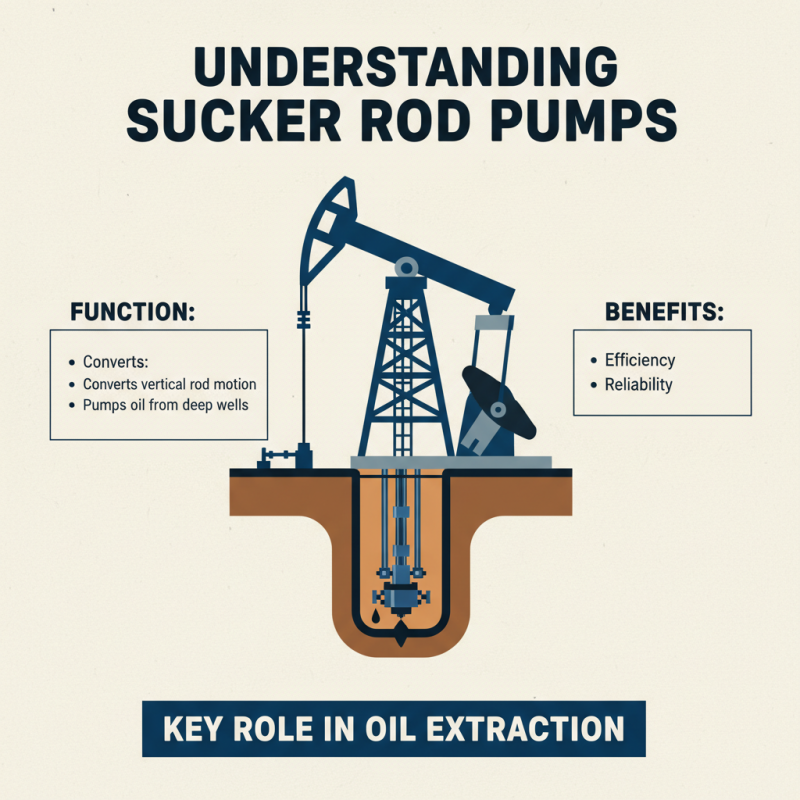
Sucker rod pumps play a crucial role in oil production. These devices convert the vertical motion of a rod into the pumping of oil from deep wells. They bring efficiency and reliability to the extraction process. Understanding their mechanics helps in appreciating their benefits.

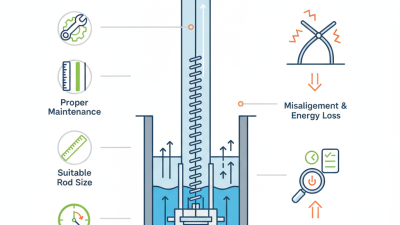
Oil extraction can become inefficient if not monitored properly. Sucker rod pumps require regular maintenance to function optimally. Neglecting this can lead to costly breakdowns. Operators should routinely check alignment and wear on the rods. This ensures a longer lifespan for the pump.

Tips for optimizing sucker rod pumps include checking the load regularly. A well-balanced system performs better and consumes less energy. Additionally, using suitable lubrication can reduce friction and wear. Operators should document performance data consistently. This practice helps in identifying trends and potential issues early.

Despite their advantages, challenges exist. Over pumping can lead to increased wear and oil emulsion issues. Operators must be aware of the risks and adjust operations accordingly. Balancing efficiency and longevity requires constant attention in the field. Proper training and experience play a vital role in successful operations.
Enhanced Efficiency of Oil Extraction with Sucker Rod Pumps

Sucker rod pumps play a crucial role in enhancing the efficiency of oil extraction. These pumps deliver consistent performance, translating to higher production rates. Their design allows them to operate in various well conditions, making them versatile tools in the oil industry. The simplicity of their mechanics often leads to fewer breakdowns. This reliability allows operators to focus more on production rather than maintenance.

When using sucker rod pumps, monitoring is essential. Regular inspections can prevent unexpected failures. Small issues, if overlooked, might lead to larger problems later on. Keeping an eye on pump performance metrics ensures optimal functionality. Implementing a schedule for maintenance may seem tedious but saves time and resources in the long run.

In addition to regular maintenance, consider the pump placement. Strategic deployment can lead to better extraction results. An optimal configuration aids in maximizing the pump's efficiency. Understanding the geological characteristics of the area can guide you in making informed decisions. Every detail counts in improving oil production outcomes.

Top 10 Sucker Rod Pump Benefits for Oil Production

Cost-Effectiveness of Sucker Rod Pump Systems

Sucker rod pump systems stand out in the oil production sector for their cost-effectiveness. These systems require lower capital investment compared to other methods. Less complexity means reduced installation costs, which can be significant in oilfields. Additionally, they have lower operational costs. They are relatively easy to maintain, which helps in controlling expenses.

One notable benefit is their ability to adapt to various well conditions. This adaptability can enhance production efficiency, leading to higher returns on investment. However, it is essential to regularly monitor the system's performance. Neglecting maintenance can lead to inefficiencies and increased costs. Regular checks can help address issues before they escalate.

Evaluating performance data also allows operators to optimize their processes. It encourages continuous improvement. Evaluations can reveal when to upgrade or replace components. While initial costs are low, the long-term benefits depend on diligent operational practices. The potential for cost savings remains high, but commitment is necessary for sustainable gains.

Top 10 Sucker Rod Pump Benefits for Oil Production

Benefit Description Cost Impact (%) Lifetime (Years)
Energy Efficiency Lower energy consumption compared to other pumps. 20% 15
Low Maintenance Costs Reduced frequency of repairs and replacements. 15% 20
High Reliability Known for consistent performance in various conditions. 10% 25
Flexibility Can be used in multiple well configurations. 5% Varies
Ease of Installation Quick setup time and easy to implement in the field. 8% 20
Cost Savings Overall reduction in operational costs. 25% 15
Versatile Applications Suitable for various oil types and conditions. 12% 30
Minimal Environmental Impact Lower risk of spills and leaks compared to other systems. 10% 20
Scalability Can be scaled to meet increasing production demands. 18% 20
Improved Production Rates Higher efficiency leads to increased oil recovery. 22% 25

Versatility of Sucker Rod Pumps for Various Well Types

Top 10 Sucker Rod Pump Benefits for Oil Production?

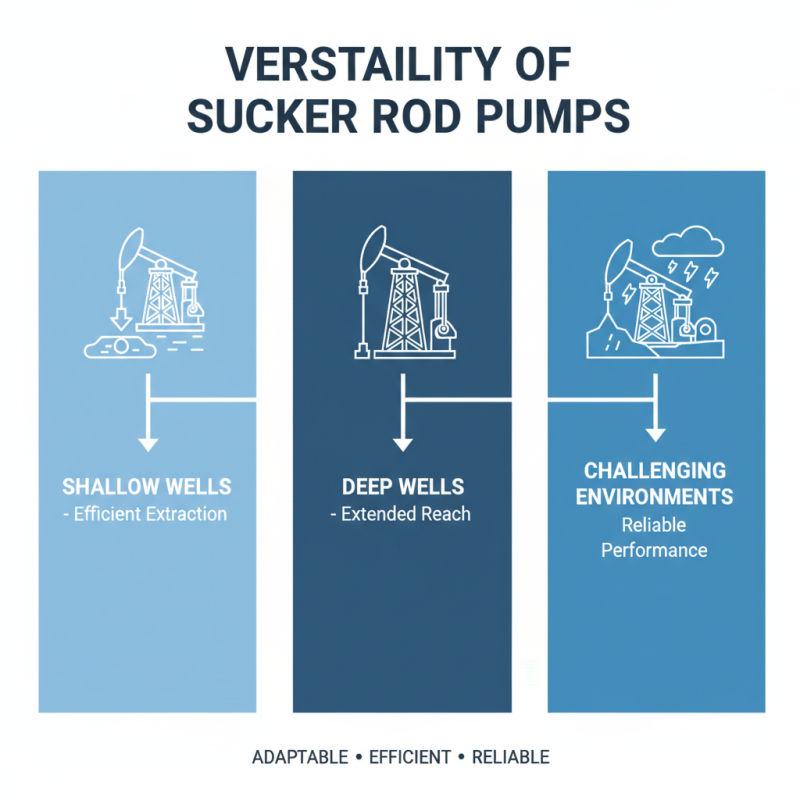
Sucker rod pumps are essential in oil production, showcasing their versatility across various well types. They can efficiently extract oil from both shallow and deep wells. This adaptability makes them a popular choice among operators looking for reliable solutions. These pumps function well in challenging environments, where other methods might fail.

Different well types, including vertical, horizontal, and slanted wells, benefit from sucker rod pumps' design. They can handle varying flow rates and pressures, ensuring consistent oil extraction. Operators need to consider the specific conditions of their wells. For instance, in wells with high solids content, adjusted configurations are crucial to prevent blockages. This highlights the importance of expert knowledge in optimizing the pump's performance.

Despite their advantages, using sucker rod pumps is not without challenges. Regular maintenance is necessary to avoid wear and extend lifespan. Operators might find their initial setup costs high. Monitoring performance indicators can help identify potential issues early. This ongoing evaluation is vital for maximizing efficiency and ensuring sustainability in oil production.

Maintenance and Longevity Benefits of Sucker Rod Pumps

Sucker rod pumps are widely used in the oil industry due to their maintenance and longevity benefits. These pumps have a simple design, which makes them easier to service. Regular maintenance can significantly extend their operational life. Routine checks help identify wear and tear, preventing costly failures. The ease of access to parts also minimizes downtime during repairs, boosting efficiency in oil extraction.

Longevity is another significant advantage. Sucker rod pumps often last longer than other pump types. This is due to their robust construction and ability to operate in harsh environments. However, reliance on regular maintenance cannot be overstated. Neglecting maintenance can lead to unexpected breakdowns. Many operators still overlook vital inspections and adjustments, which can impact overall performance. Understanding this balance is crucial for maximizing the effectiveness of sucker rod pumps in oil production.

Consistency in servicing ensures optimal performance. Operators must develop a detailed maintenance schedule tailored to their specific conditions. While these pumps are durable, proactive care is essential. Failing to address small issues early can lead to major problems later. The benefits of sucker rod pumps stem not only from their inherent design but also from the commitment to routine upkeep.