Top 10 Flow Jet Pump Options for Global Buyers?
In today's industrial landscape, finding the right flow jet pump can make a significant difference. These pumps are essential for various applications, from agriculture to manufacturing. Choosing the ideal model requires careful consideration of several factors, including efficiency, durability, and cost-effectiveness.
Global buyers are often overwhelmed with options when it comes to flow jet pumps. It's crucial to understand each product's specifications and performance metrics. Some pumps excel in high-pressure environments, while others offer better flow rates. Each has unique advantages and potential drawbacks.
While this list highlights the top ten choices, it doesn't cover every detail. Each pump has its strengths and weaknesses worth exploring. Buyers must reflect on their specific needs. The goal is not just to choose a pump but to find the best-suited flow jet pump for their situation.
Overview of Flow Jet Pumps and Their Applications
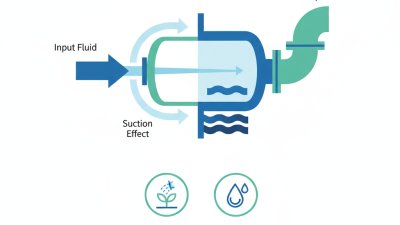
Flow jet pumps are widely used in various sectors due to their efficiency and versatility. They work by using high-velocity jets to create a vacuum, allowing for the movement of liquids or slurries. According to industry reports, the global market for flow jet pumps is expected to reach approximately $5 billion by 2027, driven by demand in agriculture, mining, and wastewater treatment.
The applications of flow jet pumps are diverse. In agriculture, they are essential for irrigation systems. They help in the efficient transfer of water from sources to arable land, significantly increasing crop yield. In mining, flow jet pumps facilitate the removal of slurries and dewater materials effectively. This enhances the safety and productivity of mining operations. However, there are challenges. The energy consumption can be high, and maintenance is sometimes overlooked, leading to inefficiencies.
Issues also arise in their application. For instance, sediment build-up can affect performance. Regular maintenance routines are essential but often neglected. This oversight can lead to operational inefficiencies and increased costs. Thus, while flow jet pumps are powerful tools, users must remain vigilant in monitoring their condition. Ensuring optimal performance requires effort and regular assessment.
Key Factors to Consider When Choosing a Flow Jet Pump
When selecting a flow jet pump, key factors come into play. Efficiency is crucial. You should prioritize pumps that maximize performance while minimizing energy consumption. Consider the pump's application; different uses require different specifications. Analyze how the pump is intended to operate under varying conditions, such as temperature and pressure. This will help ensure it meets your specific needs.
Durability is another important aspect to consider. Assess the materials used in the pump's construction. Pumps made with high-quality materials last longer and require less maintenance. Check for warranties that reflect the manufacturer’s confidence in their product. Additionally, ease of installation and maintenance can save time and costs down the line.
Don’t overlook capacity and flow rate. The pump must accommodate the required volume efficiently. A mismatch can lead to operational issues. It’s essential to carefully examine specifications against your expected usage. Consider reading user reviews and expert insights for real-world perspectives. Gathering diverse opinions can illuminate potential weaknesses. This step helps avoid potential pitfalls during the selection process.
Top 10 Flow Jet Pump Brands for Global Buyers
The jet pump market has grown significantly in recent years. A report by Research and Markets indicates that the global jet pump market will reach over $3 billion by 2026. This growth is due to the rising demand across multiple sectors, including agriculture and residential use. Brands focusing on durable materials and efficient energy consumption are emerging as frontrunners.
One key evaluation point is the energy efficiency of jet pumps. Many purchasing guides emphasize that superior models can reduce energy consumption by up to 30%. Buyers should also pay attention to maintenance costs over time. A cost-effective initial investment might not be the best choice if upkeep is expensive.
Adequate installation is crucial. Poor installation can result in inefficient performance or damage to the pump. Ensure that technicians are experienced and certified. Additionally, consider noise levels. Some high-capacity models can be surprisingly loud, an aspect often overlooked until after purchase. Effective sound insulation may be required for certain environments.
Make a well-informed choice to ensure long-term satisfaction and efficiency.
Comparison of Performance Metrics in Flow Jet Pumps
Flow Jet Pumps have gained popularity for their effectiveness in various applications, from agriculture to industrial uses. When comparing performance metrics, buyers often focus on efficiency, flow rate, and energy consumption. These metrics provide insight into how well a pump can perform under different conditions.
Energy consumption is crucial when selecting a pump. A pump that uses less energy while delivering consistent flow will save costs in the long run. Efficiency rating and flow rates should be analyzed together. A pump with a high flow rate but low efficiency might lead to higher operational costs. It's essential to balance these factors based on your specific needs.
When looking at performance metrics, consider environmental impact as well. Pumps that consume more energy not only increase operating costs but also contribute to carbon emissions. Reflect on your application's long-term effects, such as maintenance and replacement. Efficiency isn't just about cost; it's also about sustainability. Choosing the right flow jet pump involves careful assessment and understanding of how these metrics interact with your operational goals.
Top 10 Flow Jet Pump Performance Metrics
Trends and Future Developments in Flow Jet Pump Technology
Flow jet pump technology has seen significant advancements, responding to global demands for efficiency and sustainability. According to a recent report by the Global Pump Market Research Group, the flow jet pump segment is expected to grow at a compound annual growth rate (CAGR) of 5.5% from 2023 to 2028. This growth is driven by increased automation in various sectors, particularly in manufacturing and water treatment processes.
Emerging trends reveal a shift towards energy-efficient designs. New materials are being employed to enhance durability and reduce maintenance needs. Some manufacturers are experimenting with hybrid systems that combine different pumping techniques. This can lead to improved reliability in challenging environments. However, there is still a need to address the challenges of scalability in these new technologies. Adaptation to diverse market needs can be complex.
Despite positive growth indicators, there are hurdles ahead. As the demand for flow jet pumps rises, so too does the pressure on manufacturers to innovate sustainably. Regulatory pressures are increasing, particularly concerning environmental impacts. The need for eco-friendly solutions in pump technology is crucial. Thus, ongoing research and development are essential to meet both market needs and regulatory standards while ensuring future adaptability.