Top 10 Galvanized Closed Head Steel Drum Suppliers?
Choosing among the Top 10 Galvanized Closed Head Steel Drum Suppliers requires more than comparing prices. Buyers must examine coating quality, closure design, testing records, and delivery consistency. A drum may look identical on a warehouse floor, yet its zinc layer, seam construction, and gasket performance can differ significantly.
The World Steel Association’s Steel for Packaging research highlights steel’s established recovery infrastructure and strong material value after use. Grand View Research also identifies industrial packaging as a continuing demand area for steel drums, supported by chemical, lubricant, food, and manufacturing applications. These reports provide useful market context, but they do not replace supplier audits or sample testing.
According to Gregory Crawford, a technical expert associated with the American Galvanizers Association, “The galvanizing process provides a metallurgically bonded coating that protects steel from corrosion.” This principle matters when evaluating a Galvanized Closed Head Steel Drum exposed to moisture, outdoor storage, or repeated handling. The coating is not decoration. It is a working barrier.
Practical checks should include wall thickness, zinc-coating uniformity, UN performance certification where applicable, bung fit, pallet stability, and documented quality systems. Ask for recent inspection records. Ask for traceability.
A ranking can still mislead.
The strongest supplier is not always the largest one. Regional stock, response time, customization capability, and transparent corrective-action procedures may matter more than brand visibility. Some published specifications also deserve closer review, because “galvanized” alone does not explain coating weight, interior protection, or closure reliability. This guide compares leading suppliers through those measurable details, while acknowledging one limitation: supplier performance can vary by factory, batch, and destination.
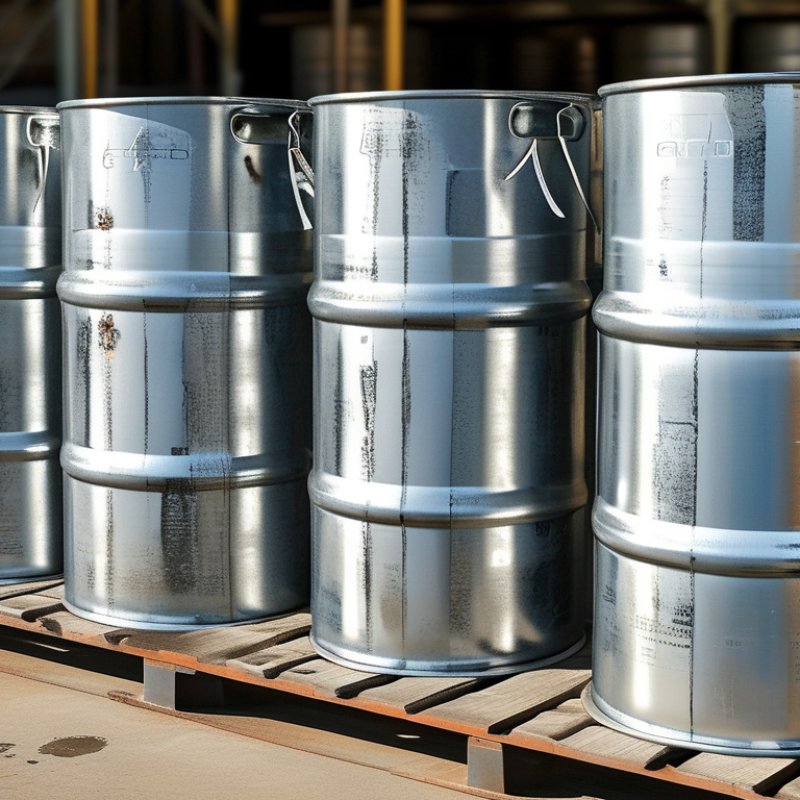
Galvanized Closed Head Steel Drums: Definition and Core Features
Galvanized closed head steel drums are tight-head containers with a permanently attached top and two threaded openings. Their steel body provides mechanical strength, while a zinc coating helps resist external moisture and surface corrosion. The common 210-liter format is practical for warehouses, pallets, and controlled liquid handling.
ISO 15750-2 defines key requirements for non-removable-head steel drums, including dimensions, closures, and construction details. A reliable drum should show consistent wall thickness, clean welds, secure bungs, and a gasket that remains flexible after storage. Small details matter.
The U.S. Environmental Protection Agency reported a 70.9% recycling rate for steel containers and packaging in its 2018 data. This supports steel’s circularity, but recycling performance depends on collection and contamination control. Galvanizing is not magic. Scratches, harsh chemicals, and damaged seams can still create corrosion points. I would inspect the bung threads and lower chime before approving a shipment.
A supplier’s technical file should identify coating type, steel grade, nominal capacity, closure torque, and applicable performance testing. It should also provide batch traceability and inspection records. These documents are more useful than polished sales claims. One caution remains: galvanized surfaces may not suit every chemical or temperature. Material compatibility must be checked against the actual contents and storage conditions.
Key Criteria for Evaluating Galvanized Steel Drum Suppliers
Selecting a galvanized closed head steel drum supplier requires more than comparing unit prices. Check steel grade, zinc-coating consistency, wall thickness, and seam quality. A drum should feel rigid, not merely heavy. Ask for coating measurements, closure torque records, leak-test results, and batch-level certificates. Independent laboratory testing adds credibility, especially when drums face long storage or repeated handling.
The World Steel Association reported 1,888.2 million tonnes of crude steel production in 2023. This scale does not guarantee quality. It makes supplier traceability more important. Reliable suppliers should identify the mill, production date, coating process, and inspection method. Confirm whether drums follow ISO 15750 requirements and whether relevant UN performance certification applies to the intended transport use. Certification alone is not enough. Compatibility still needs technical review, because galvanized surfaces may react with certain acidic or alkaline contents.
Environmental data also deserves attention. UNEP’s Global Resources Outlook 2024 states that global material extraction has tripled since 1970. Request recycled-steel content, zinc-process information, energy data, and recycling guidance. Small details matter, such as gasket material, flange alignment, and rust protection during humid shipment. I would also inspect sample drums before approving a large order. Supplier brochures can look precise, yet field performance may reveal weak closures or uneven coatings. A written corrective-action process is valuable when something goes wrong.
Top 10 Galvanized Closed Head Steel Drum Suppliers
Top 10 Galvanized Closed Head Steel Drum Suppliers
The top ten galvanized closed head steel drum suppliers should be judged by more than price. Buyers need verified steel thickness, zinc coating consistency, bung quality, and leak-test records. In practical purchasing, a drum may look clean outside while its internal coating remains uneven. That detail matters.
The global steel industry produced about 1.89 billion tonnes of crude steel in 2023, according to World Steel Association data. This scale supports stable material availability, but it does not guarantee dependable drum production. A strong supplier should provide ISO 15750-compatible designs, batch traceability, and documented closure torque. UN packaging performance tests also remain important for approved transport applications. Request test certificates, not only marketing claims.
The leading ten supplier candidates usually include large industrial producers, regional packaging specialists, and manufacturers with custom tooling. Their differences appear in delivery capacity, coating control, recycled-steel content, and after-sales support. Grand View Research identifies continuing growth in the global steel drums market, driven by chemicals, lubricants, food ingredients, and industrial liquids. Yet market growth can hide quality gaps. I would compare sample drums under storage conditions before signing a large contract. Humidity exposure, pallet movement, and repeated bung opening can reveal weaknesses quickly. Some rankings remain imperfect because public supplier data is often incomplete. That deserves careful review.
How to Select the Right Galvanized Steel Drum Supplier
How to Select the Right Galvanized Steel Drum Supplier
Choosing a galvanized closed head steel drum supplier requires more than comparing prices. Inspect the steel thickness, zinc coating, weld quality, and lid construction. A reliable supplier should provide clear specifications for capacity, dimensions, closures, and interior protection. Ask for evidence.
Request recent inspection reports, material certificates, and batch traceability records. Quality control should include leak testing, coating checks, and closure verification. If drums will face outdoor storage, ask how the supplier evaluates corrosion resistance under humidity and temperature changes. Small details matter.
Production experience also affects consistency. Ask whether the supplier can maintain the same dimensions across repeated orders. Confirm minimum quantities, sample availability, lead times, packaging methods, and replacement procedures. Look beyond the price. A low quotation may hide thinner steel, uneven galvanizing, or weak sealing components.
Communication is another practical test. Technical questions should receive specific answers, not vague promises. During evaluation, compare a physical sample with the written specification. I have seen purchasing teams focus heavily on delivery speed and overlook drum handling damage. That mistake can become expensive. A capable supplier should explain inspection steps, storage guidance, and safe handling limits in plain language. Supplier audits are useful, but they are not perfect; follow-up checks may still reveal inconsistencies.