
Top Motor Spare Parts Global Buyers Should Know?
Global buyers of Motor Spare parts face a market shaped by changing vehicle technology, uneven supplier quality, and demanding delivery schedules. The International Energy Agency’s Global EV Outlook 2024 reported nearly 14 million electric car sales in 2023, about 18% of global car sales. That shift matters: buyers must distinguish conventional engine components from electric-drive parts, then confirm fitment, materials, and testing requirements before placing an order. A part that looks identical on a crowded warehouse shelf may not match the vehicle’s exact model year.
Market context matters, too. Grand View Research’s Automotive Aftermarket report tracks a sector influenced by vehicle age, maintenance needs, and online purchasing. For buyers, those trends make supplier verification more than paperwork. Request clear product specifications, batch or lot identification, warranty terms, and realistic lead times. Check whether sample parts match production units. Keep the inspection practical: compare dimensions, connectors, packaging, and markings against approved references. Small discrepancies can create expensive delays.
Trust still counts. Automotive pioneer Robert Bosch is widely credited with saying, “I would rather lose money than trust.” For procurement teams, that is a useful warning against choosing a low quote without checking evidence. Yet no checklist catches everything. I would treat supplier approval as ongoing work, not a one-time stamp. The sections ahead examine the Motor Spare categories global buyers should know, the questions worth asking, and the details that deserve a second look before an order ships.
What Motor Spare Parts Are and How They Support Vehicle Operation
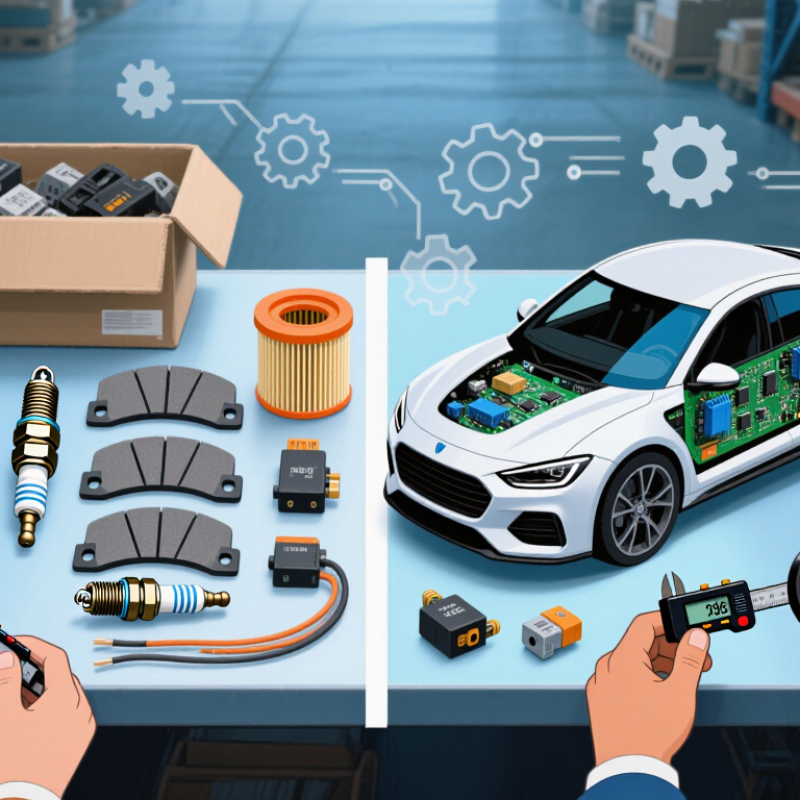
Motor spare parts are replaceable components that help a vehicle’s motor work as designed. They include items such as filters, belts, hoses, seals, spark plugs, and bearings. Each has a specific job. An air filter limits dust entering the engine, while a belt transfers motion between rotating components. Small parts can matter. A cracked hose, for example, may allow coolant to escape and contribute to overheating.
These components support reliable operation by helping control airflow, lubrication, heat, and movement. Their condition changes with mileage, driving conditions, and maintenance habits. A mechanic may inspect a belt for fraying or check a filter for heavy dirt before recommending replacement. Correct fit matters too; a part that looks similar may not meet the motor’s specifications. That detail is easy to overlook.
Not every noise points to a failed part. Diagnosis should consider symptoms, service history, and inspection results rather than guesswork. Even experienced technicians can miss an early warning, so clear records and careful checks are useful. Replacing parts on a sensible schedule can reduce avoidable wear, but changing components without evidence may waste time and money.
Top Motor Spare Parts Global Buyers Should Know? - What Motor Spare Parts Are and How They Support Vehicle Operation
Motor spare parts are replacement components used to maintain or restore an engine and its supporting systems. The parts required vary by engine design, vehicle application, operating conditions, and service recommendations.
| Part or Part Group | System | Main Function | How It Supports Vehicle Operation | Common Inspection Clues |
|---|---|---|---|---|
| Oil filter | Lubrication | Captures contaminants circulating in engine oil. | Helps keep oil passages and lubricated engine surfaces cleaner. | Check for leakage, damage, or service history indicating replacement is due; follow the vehicle service schedule. |
| Air filter | Air intake | Screens dust and debris from intake air. | Supports airflow to the engine and helps reduce abrasive contamination. | Inspect for heavy dirt, damage, poor fit, or a restricted intake; replacement timing depends on use and specifications. |
| Fuel filter | Fuel delivery | Removes particles and, in some designs, water from fuel. | Helps protect fuel-system components and maintain fuel flow. | Check service records and inspect for leaks; hard starting or loss of power can have many causes and needs diagnosis. |
| Spark plugs | Ignition (gasoline engines) | Create the electrical spark that ignites the air-fuel mixture. | Support combustion, engine starting, and smooth operation. | Misfiring, difficult starting, or worn electrodes warrant inspection; use the specified plug type and gap. |
| Ignition coil | Ignition (gasoline engines) | Raises electrical voltage for spark-plug operation. | Provides ignition energy needed for combustion in each cylinder. | Engine misfire or a warning light may prompt testing; confirm the fault before replacing parts. |
| Timing belt or timing chain | Valve timing | Coordinates crankshaft and camshaft rotation. | Keeps valve operation synchronized with piston movement. | Follow engine-specific inspection and replacement guidance; belt and chain designs have different service requirements. |
| Water pump | Cooling | Circulates coolant through the engine and cooling circuit. | Helps carry heat away from the engine to support temperature control. | Coolant leaks, bearing noise, or overheating require prompt diagnosis. |
| Thermostat | Cooling | Regulates coolant flow as engine temperature changes. | Helps the engine reach and maintain its intended operating temperature. | Temperature that stays unusually low or rises excessively should be assessed alongside the rest of the cooling system. |
| Drive belt | Accessory drive | Transfers engine rotation to belt-driven accessories. | Can drive components such as the alternator, depending on vehicle design. | Inspect for cracks, fraying, glazing, or incorrect tension; belt routing and inspection procedures vary by vehicle. |
| Gaskets and seals | Engine sealing | Seal joints to contain fluids, gases, or compression where designed. | Help prevent fluid loss and maintain separation between engine passages. | Oil or coolant seepage may indicate a leak; identify its source before selecting a replacement seal. |
| Alternator | Electrical charging | Generates electrical power while the engine is running and helps charge the battery. | Supplies electrical systems and supports battery charge under normal operating conditions. | A charging warning light, dim lights, or battery discharge calls for electrical-system testing. |
| Starter motor | Starting | Turns the engine during start-up. | Enables the engine to begin operating when the vehicle is started. | Clicking or slow cranking can also result from a weak battery or poor connections; test the starting circuit. |
Buyer note: Verify engine code, model year, fuel type, dimensions, connection details, material specifications, and applicable service requirements before ordering. Replacement intervals and compatibility are vehicle-specific; consult reliable application data and the vehicle service information.