Top 10 Water Well Jet Pump Tips and Tricks You Need to Know?
When it comes to maintaining a reliable water supply, knowing how to effectively use a water well jet pump is essential. These pumps draw water from deep underground sources. Understanding the intricacies of operating one can save you time and frustration. However, many users struggle with common issues and overlook helpful tips that can enhance performance.
This guide will provide you with the top 10 tips and tricks to optimize your water well jet pump experience. Practical advice can make all the difference. From selecting the right components to regular maintenance practices, we cover it all. Every detail counts in ensuring efficient water delivery.
Diving into the world of water well jet pumps reveals complexities that might surprise you. There are pitfalls to avoid and adjustments to explore. Gaining insight can empower users to tackle challenges effectively. Learn how to troubleshoot issues and boost your pump's lifespan. The journey toward mastery begins here.
Understanding How Water Well Jet Pumps Work and Their Components
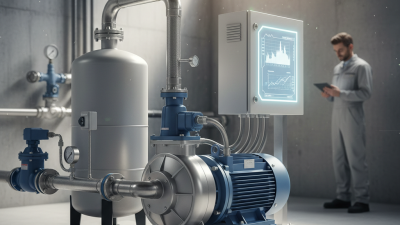
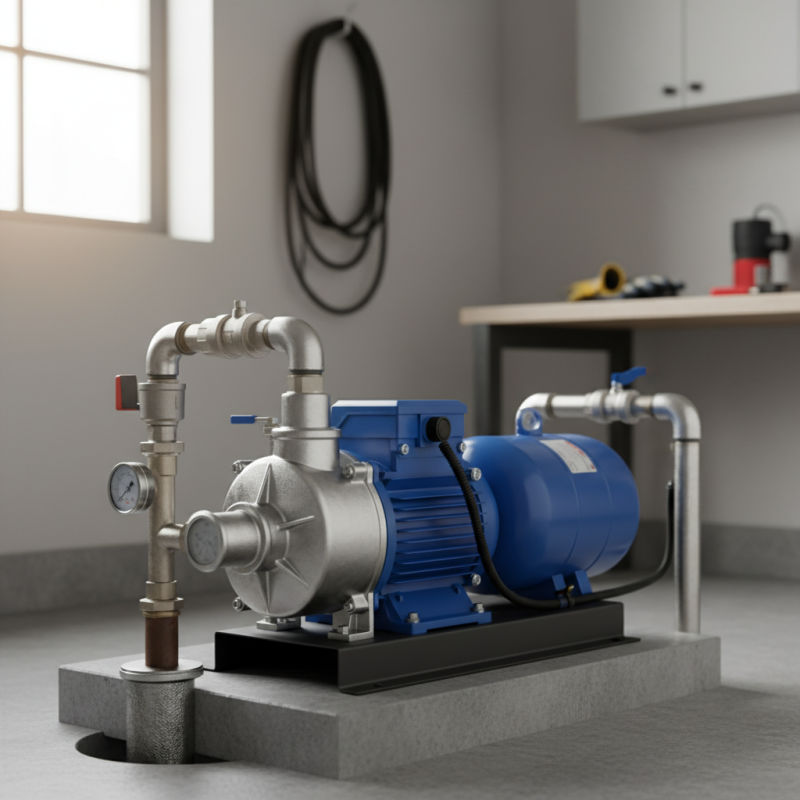
Water well jet pumps are essential for extracting water from deep wells. They operate using a combination of a motor, pump, and suction pipe. Understanding these components is crucial for maintenance and troubleshooting. The motor provides the energy needed to create suction, drawing water through the well. The pump contains an impeller. This impeller boosts the water pressure, sending it into your plumbing system.
Regular inspection of these parts can prevent larger issues. Sometimes, the impeller might become clogged. This can reduce efficiency. Be attentive to any strange noises coming from the pump. They may indicate wear or a need for cleaning. The suction pipe is another vital component. Ensure it’s secure and free from leaks. A leak can lead to loss of water pressure.
It's worthwhile to familiarize yourself with the specific layout of these components in your setup. Each system can have unique quirks. Take notes during your inspections. Documenting minor issues can help identify patterns over time. This proactive approach can save you from major repairs later. Embrace the learning process; it's all part of maintaining a well system.
Top 10 Water Well Jet Pump Tips and Tricks
Choosing the Right Size and Type of Jet Pump for Your Needs
When selecting a jet pump, size and type are crucial. Start by assessing your water needs. Consider the flow rate and pressure required for your household. A pump must be able to meet your demands without straining. If you have a large garden or multiple bathrooms, a larger pump is necessary. Smaller pumps often struggle to provide adequate water supply.
Material and construction also matter. Some pumps are made of plastic, while others use cast iron. Plastic can be lighter and easier to handle but may lack durability. Cast iron pumps tend to last longer but can be bulky. Weigh the pros and cons of each type. Always think about where you intend to place the pump. Space limitations may influence your choice. Ensure there is enough room for installation and maintenance.
It's easy to overlook energy efficiency, too. An efficient pump saves on electricity bills and is better for the environment. Look for models with good energy ratings. Consider the noise level as well. Some pumps operate quietly, while others can be quite loud. This might affect your comfort, especially if installed indoors. Remember to reflect on your choices; research is key. The perfect pump does exist, but it may take some effort to find it.
Essential Maintenance Tips for Longevity and Performance
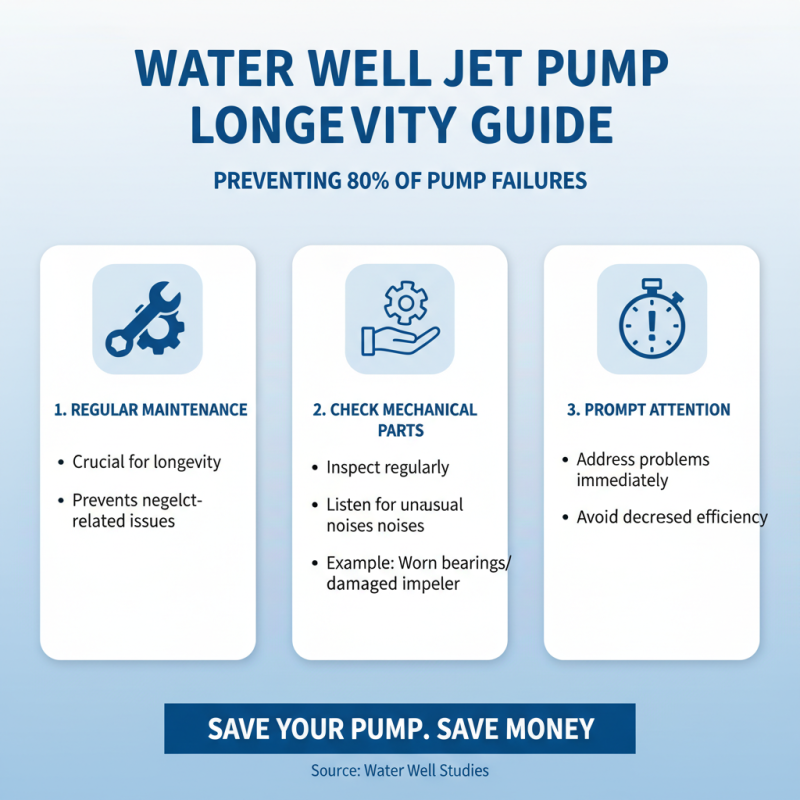
To ensure the longevity and performance of water well jet pumps, regular maintenance is crucial. Studies show that nearly 80% of pump failures can be attributed to neglect. Check the pump's mechanical parts regularly. Listen for unusual noises. These could signal problems that need immediate attention. For example, worn bearings or damaged impellers can lead to decreased efficiency.
Regularly inspect filters and screens, as well. Clogged filters can reduce water flow and increase pressure, leading to premature wear. Replace or clean them every three to six months. Keeping an eye on your pump’s energy usage is also essential. A consistent increase in energy consumption may indicate underlying issues.
Undertaking routine maintenance checks can be a hassle, but it pays off. Over 30% of homeowners neglect to perform these essential tasks. Therefore, many pumps don’t reach their expected lifespan of 10-15 years. Don’t become a statistic. Simple actions, like visually checking for leaks or ensuring proper water levels, can prevent costly repairs.
Identifying Common Issues and Troubleshooting Techniques
Water well jet pumps are vital for many households, but issues can arise unexpectedly. One common problem is low water pressure. Reports indicate that over 30% of homeowners face this issue at some point. This can be due to a clogged filter or a failing pump. Regularly check the filter for debris and ensure your pump is functioning correctly. Sometimes, the solution can be as simple as cleaning or replacing the filter.
Another frequent challenge is air leaks in the piping system. These leaks often lead to loss of prime and inconsistent water supply. It is estimated that about 25% of well owners encounter air leaks. Inspect the pipes and joints for signs of wear or damage regularly. Small leaks can sometimes go unnoticed but can lead to significant problems over time. Even a small hole can disrupt the entire system.
Inconsistent or strange noises from your pump also indicate potential issues. Unusual sounds can be a sign of cavitation, which occurs when the pump is not receiving enough water. This condition can cause long-term damage if ignored. Pay attention to how your pump operates and note any changes. Maintenance routines often get overlooked, leading to bigger complications down the line. Regular monitoring and troubleshooting can save time and money.
Safety Precautions to Follow When Operating Jet Pumps
When operating jet pumps, safety should be your top priority. Always wear appropriate gear: gloves, goggles, and sturdy boots. These items protect you from potential hazards. A simple slip could lead to injuries. Ensure your work area is tidy. Clutter can cause accidents, especially near water and electrical sources.
Regularly check the pump for leaks or damage. Even a small leak may lead to larger problems later. Never operate a pump without verifying it’s in good condition. If something feels off, stop immediately. Always follow the manufacturer's guidelines for safe operation. This is crucial for maintaining a safe environment.
Be cautious when handling electrical components. Water and electricity are a dangerous mix. Use insulated tools and ensure your hands are dry. If you're unsure about the wiring, consult an expert. It’s better to ask for help than to risk an accident. Safety precautions can save you from injuries and costly repairs.