What is an Ultra Jet Pump and How Does it Work?
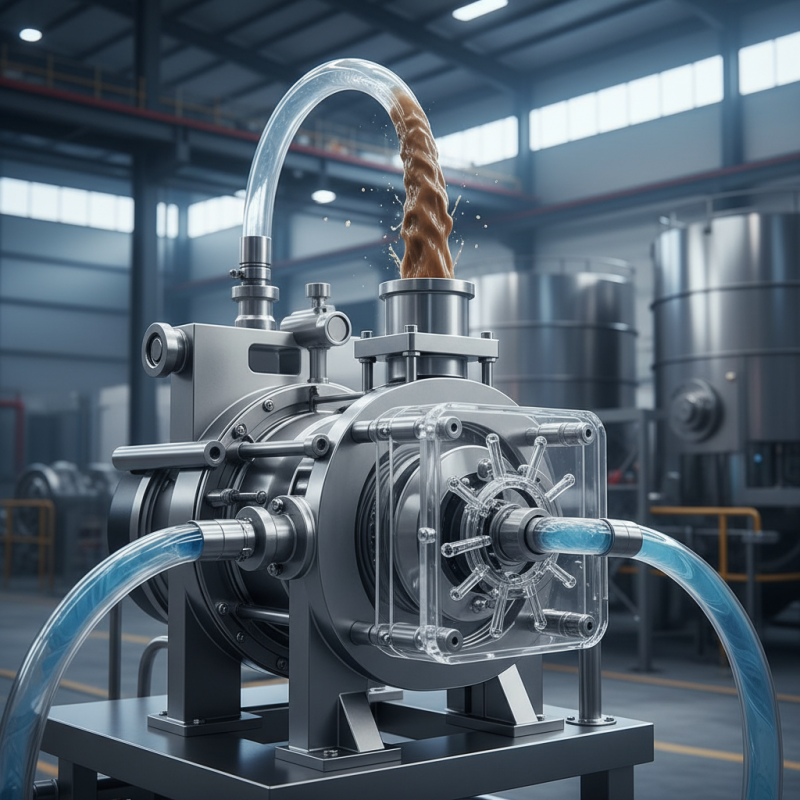
An ultra jet pump is an innovative tool designed for efficient fluid transfer. It utilizes a unique mechanism to create powerful energy, making it essential in various applications. Understanding how an ultra jet pump operates can unlock its full potential in industries like agriculture and construction.
This technology combines fluid dynamics and mechanical design to achieve impressive results. It relies on high-pressure jets to lift and move liquids, offering solutions where traditional pumps fall short. Users often find this method to be more effective in handling thick liquids or materials.
Despite its advantages, there are limitations to consider. Installation and maintenance can be challenging. Moreover, not every situation suits an ultra jet pump’s capabilities. Reflecting on these factors can help users make informed decisions about its application in specific scenarios.
What is an Ultra Jet Pump?
Ultra Jet Pumps are innovative devices used in various industries for efficient fluid transfer. They utilize the principle of jet propulsion to create a vacuum. This mechanism allows them to move both liquids and gases effectively. Their design often includes a nozzle that accelerates a fluid, inducing a drop in pressure and enabling the suction of other fluids into the system. Notably, Ultra Jet Pumps are known for their energy efficiency, with operational efficiencies reaching up to 90%.
The applications of Ultra Jet Pumps are extensive. Industries ranging from oil and gas to water treatment rely on these pumps for their reliability and performance. In oil extraction, for example, they can improve yield by transporting crude oil along with gases seamlessly. Recent reports indicate that the global market for jet pumps is expected to grow steadily, with an anticipated CAGR of 4.5% over the next five years. Yet, challenges remain, such as troubleshooting complex systems and preventing cavitation, which can damage the pump. Real-world applications illustrate the need for continuous testing and improvement of these systems to optimize performance under various conditions.
What is an Ultra Jet Pump and How Does it Work?
| Feature |
Description |
Applications |
Benefits |
| Working Principle |
Uses the Venturi effect to create a vacuum and suck in fluids. |
Industrial processes, chemical handling. |
Efficient fluid transfer with minimal energy consumption. |
| Construction Material |
Typically made from durable materials like stainless steel or high-grade plastic. |
Water treatment plants, aquaculture. |
Corrosion-resistant and long-lasting. |
| Maintenance |
Generally low maintenance; regular inspections recommended. |
Pumping of seawater, oils, and chemical solutions. |
Reduces downtime and operational costs. |
| Efficiency |
Can achieve high flow rates with lower energy input compared to traditional pumps. |
Construction, mining, agriculture. |
Environmentally friendly due to lower carbon footprint. |
| Size |
Available in various sizes to fit different applications and requirements. |
Firefighting, wastewater management. |
Customizable for specific operational needs. |
Key Components of an Ultra Jet Pump
Ultra Jet Pumps are fascinating devices. They are efficient in transferring liquids from one point to another. Understanding their key components helps us appreciate their function better.
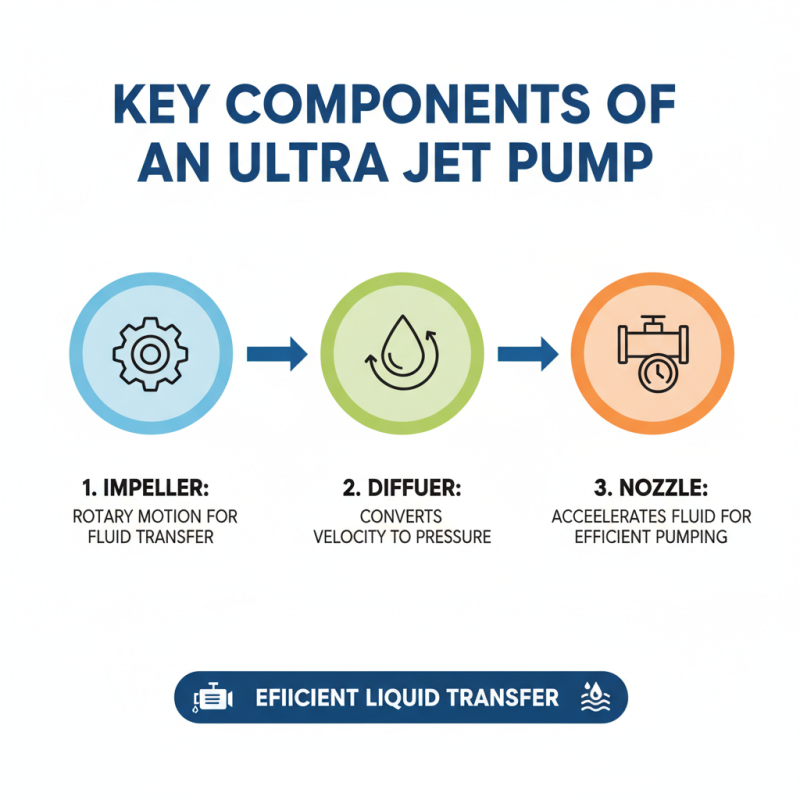
The heart of an Ultra Jet Pump is the jet nozzle. It generates high-velocity fluid, creating a low-pressure zone. This low pressure allows the surrounding fluid to enter the pump. Next, we have the mixing chamber. Here, the high-velocity jet mixes with the incoming fluid. This process greatly increases the overall flow rate.
Another important component is the diffuser. It converts kinetic energy back into pressure energy. This part helps in increasing the pressure of the mixed fluid before it exits the pump. Keep in mind, each component must work seamlessly together to ensure optimal performance. Any misalignment or wear can lead to inefficiency or failure. Thus, understanding these components is essential for maintenance and operation. It's easy to overlook the importance of these details.
Principle of Operation of an Ultra Jet Pump
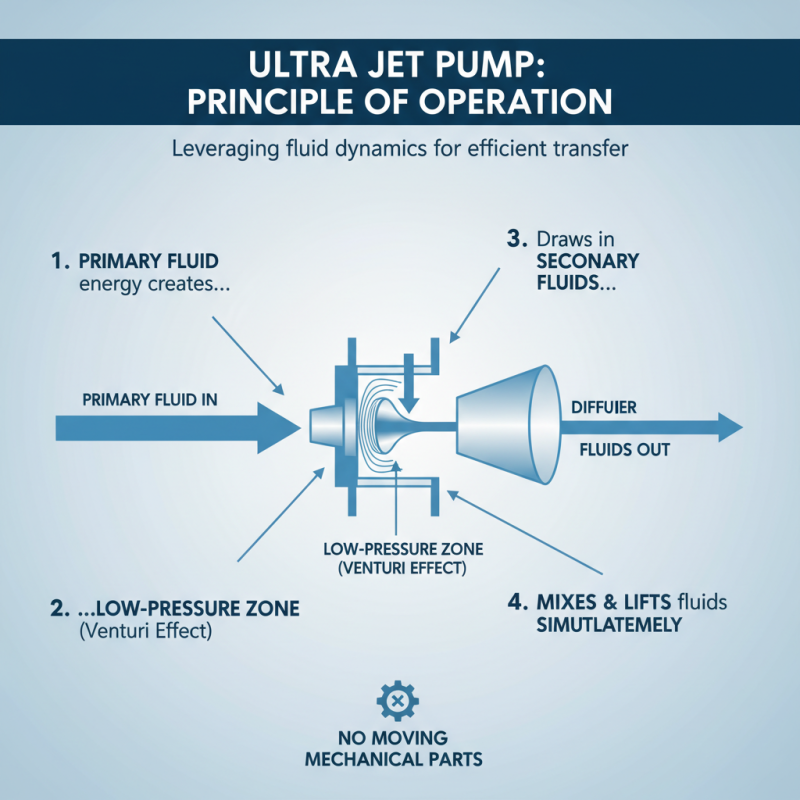
Ultra Jet Pumps operate on a unique principle that utilizes the energy of a primary fluid to create a low-pressure zone. This process allows secondary fluids to be drawn in and lifted simultaneously. In essence, these pumps leverage the Venturi effect, which enables the movement of fluids without the need for mechanical moving parts. An essential aspect of their functionality lies in the design of the nozzle and diffuser.
According to industry reports, the global market for jet pumps is projected to grow significantly, with a CAGR of about 6.5% from 2022 to 2030. This growth reflects an increasing demand for efficient fluid handling solutions across various sectors, including oil and gas, chemical processing, and wastewater treatment. Notably, Ultra Jet Pumps can achieve efficiencies exceeding 85%. However, it is worth noting that achieving optimal performance often requires precise engineering and regular maintenance, which poses challenges for many operators.
Field studies indicate that the effectiveness of Ultra Jet Pumps can deteriorate under variable operating conditions. Fluctuations in pressure and temperature can impact efficiency. Proper monitoring and adjustments are crucial to maintain performance levels. Additionally, understanding the limitations of these systems remains pivotal for operators. Ignoring such factors might lead to operational inefficiencies and increased costs over time.
Applications of Ultra Jet Pumps in Various Industries
Ultra jet pumps are versatile tools used across various industries. Their design allows for efficient fluid transfer in applications ranging from oil and gas extraction to water treatment. In the oil and gas sector, these pumps enhance flow rates and facilitate the recovery of hydrocarbons. They help to optimize extraction processes. In water treatment facilities, ultra jet pumps efficiently mobilize contaminants for removal. Their rapid operation can improve purification outcomes.
In manufacturing, ultra jet pumps play a critical role in cooling systems. They ensure adequate coolant circulation, preventing overheating. Some industries employ them for mixing solutions, enhancing blending efficiency in chemical processes. These pumps can also assist in creating vacuum conditions for specific applications, like packaging. However, the complexity of their operation can sometimes lead to maintenance challenges. Regular monitoring is essential to ensure optimal performance and prevent equipment failures.
The versatility of ultra jet pumps makes them a valuable asset, yet understanding their limitations is crucial. Users must account for potential inefficiencies and the need for continuous evaluation. This awareness can lead to better operational strategies and enhance productivity.
Applications of Ultra Jet Pumps in Various Industries
Advantages and Disadvantages of Ultra Jet Pumps
Ultra Jet Pumps are a popular choice in many applications, offering unique advantages. One significant benefit is their ability to operate in varying power conditions. According to a recent industry report, nearly 70% of operators reported improved efficiency when utilizing Ultra Jet Pumps. This efficiency can be attributed to their design, as they harness high-velocity fluids to create suction.
However, there are disadvantages to consider. Ultra Jet Pumps can be more complex to maintain than traditional pumps. Maintenance frequencies can increase, leading to higher overall costs. Research indicates that 30% of users experience operational challenges due to inadequate training on these systems. Understanding both their strengths and weaknesses is vital for effective application.
Tip: Always assess your operational environment before selecting an Ultra Jet Pump. Consider factors like fluid type and installation space, as they will significantly impact performance.
Another aspect to consider is energy consumption. While Ultra Jet Pumps can be efficient, they may also consume more energy if not sized correctly. According to the Energy Efficiency Agency, mismatched pumps account for 40% of industrial energy waste. This highlights the importance of thorough calculations and professional advice when implementing these systems.
Tip: Engage with industry experts to determine the best setup for your specific needs. It can save time and reduce unforeseen troubleshooting down the line.