Why Choose a Hydraulic Gas Pump for Your Applications?
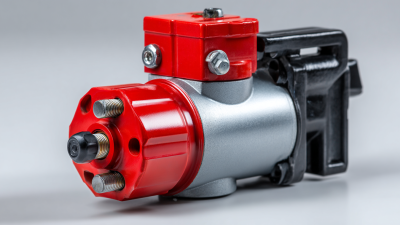
In an industrial landscape where efficiency is paramount, choosing the right equipment is vital. A hydraulic gas pump has gained popularity across various sectors. Its unique blend of power and precision makes it a preferred choice for many. This pump utilizes hydraulic fluid to deliver gas at high pressures, facilitating numerous applications.
The reliability of a hydraulic gas pump stands out. It can handle various gases while maintaining optimal performance. Many industries, such as construction and manufacturing, benefit from its durability. However, some may overlook the complexity of selecting the right model. Each application has unique requirements, and understanding these can be challenging.
Cost is also a consideration. While hydraulic gas pumps can come with a higher initial expense, their long-term efficiency can offset this. Operators must weigh the upfront costs against the potential savings in energy and maintenance. This reflection is crucial for making an informed choice. Embracing the hydraulic gas pump could profoundly impact operational success, provided all factors are thoughtfully considered.
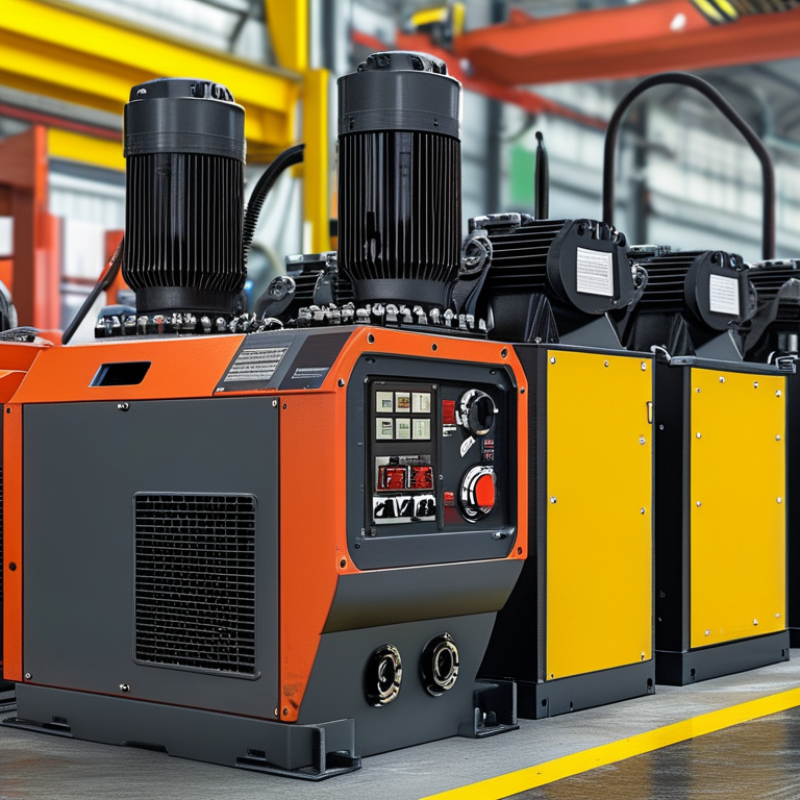
Key Features of Hydraulic Gas Pumps for Versatile Applications
Hydraulic gas pumps have become essential in various industries due to their unique capabilities. These pumps offer versatility and efficiency, making them suitable for numerous applications. They are often used in sectors such as automotive, manufacturing, and construction. According to a recent industry report, the global hydraulic pump market is expected to reach over $50 billion by 2027, underlining the growing demand for such efficient systems.
Key features of hydraulic gas pumps include high power-to-weight ratios, compact designs, and the ability to operate under extreme conditions. Many models can work efficiently in environments with temperatures ranging from -40°C to 100°C. Additionally, these pumps often have a low noise level, making them suitable for applications in urban settings. However, it is essential to analyze the operating conditions carefully. Oversizing a pump can lead to inefficiencies and higher operational costs.
Tips: Ensure proper maintenance of hydraulic gas pumps to extend their lifespan. Regular inspection can prevent unexpected breakdowns. Always refer to industry specifications for optimal performance. The hydraulic system's design should also reflect your specific needs, avoiding a one-size-fits-all approach. Understanding these aspects enhances the overall effectiveness and reliability of your operations.
Why Choose a Hydraulic Gas Pump for Your Applications?
Understanding the Mechanism of Hydraulic Gas Pumps
Hydraulic gas pumps operate by converting mechanical energy into hydraulic energy. This process involves pressurizing a gas to create a powerful fluid motion. These pumps are known for their efficiency and reliability, making them essential in various industrial applications. According to industry reports, hydraulic systems can create forces up to 20 times greater than traditional methods when optimized correctly.
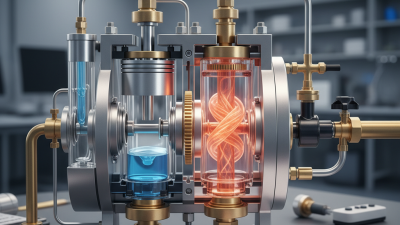
The mechanism of a hydraulic gas pump relies on key components, such as the cylinder and piston. In operation, the piston moves within the cylinder, compressing the gas. This compression produces hydraulic pressure that drives the pump’s functionality. Recent studies indicate that hydraulic systems can improve energy efficiency by 30%, which is a crucial factor in today’s energy-conscious landscape. However, the design can lead to inefficiencies if not properly maintained, requiring regular audits to identify potential leaks or failures.
Despite their advantages, hydraulic gas pumps come with challenges. Fluctuating temperatures can affect performance stability. Additionally, proper installation is critical; a poorly set up system can lead to reduced efficiency. Industry experts emphasize the importance of thorough training for operators to maximize the potential benefits. Engaging with professionals ensures that the hydraulic systems are utilized effectively.
Why Choose a Hydraulic Gas Pump for Your Applications? - Understanding the Mechanism of Hydraulic Gas Pumps
| Feature |
Description |
| Efficiency |
Hydraulic gas pumps offer higher efficiency compared to traditional mechanical pumps, reducing energy consumption. |
| Output Pressure |
They can generate high output pressures, making them suitable for demanding applications. |
| Durability |
Built to withstand harsh environments, hydraulic gas pumps have a longer lifespan. |
| Versatility |
Can be used in a wide range of applications, from industrial to automotive settings. |
| Maintenance |
Requires less frequent maintenance due to fewer moving parts compared to other types of pumps. |
| Noise Levels |
Operates more quietly than many mechanical alternatives, improving workplace comfort. |
Advantages of Hydraulic Gas Pumps Over Traditional Options
When considering a hydraulic gas pump, several advantages stand out compared to traditional options. One major benefit is efficiency. Hydraulic gas pumps can provide more force with less energy. This means lower operational costs over time. They are designed to handle high pressure, making them ideal for demanding applications. Unlike mechanical pumps, hydraulic systems have fewer moving parts, leading to reduced wear and tear.
Tip: Regular maintenance is essential. Keep hydraulic fluid clean to ensure optimal performance. Dirty fluid can lead to inefficiencies and damage.
Another key advantage is versatility. Hydraulic gas pumps are adaptable for various tasks. From construction to manufacturing, their applications are broad. Additionally, they often have a compact design. This saves space in tight work environments. Their reliability under pressure makes them an excellent choice.
Tip: Consider your specific needs when selecting a pump. The right specifications will enhance efficiency and longevity.
Despite their many benefits, users may face challenges. Understanding the hydraulic system fully can require training. It’s crucial to invest time in learning. Misuse or lack of knowledge can lead to costly mistakes. Balancing advantages with careful consideration is key.
Applications and Industries Benefitting from Hydraulic Gas Pumps
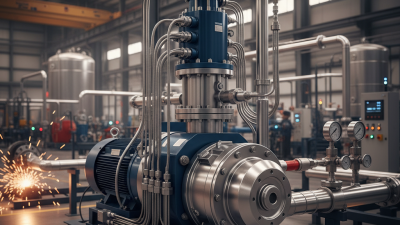
Hydraulic gas pumps are increasingly popular across various industries. They excel in applications where precision and reliability are paramount. These pumps are widely used in manufacturing, construction, and even aerospace. Their ability to handle high pressure makes them crucial in heavy machinery operations.
In the oil and gas sector, hydraulic gas pumps are essential for transporting fluids efficiently. They ensure that drilling operations can proceed smoothly. In manufacturing, these pumps power assembly lines and machinery. Their robustness allows them to withstand harsh environments.
Tip: Regular maintenance can extend the life of your hydraulic pump. Check seals and connections frequently.
In the renewable energy field, hydraulic pumps aid in systems like geothermal and solar energy. They contribute to increasing efficiency and reducing waste. However, not all applications benefit equally. Some might find hydraulic systems overly complex for simpler tasks.
Tip: Assess your specific needs before choosing a pump. Sometimes, simpler options can be more effective.
Maintenance and Efficiency Tips for Hydraulic Gas Pumps
Hydraulic gas pumps are known for their efficiency and power, but regular maintenance is crucial. Regular checks can prevent unexpected failures. Inspect hydraulic fluid levels frequently. Low fluid can lead to overheating and reduced performance. Changing the fluid on schedule also ensures optimal operation.
Additionally, paying attention to seals and fittings is essential. Worn seals can cause leaks, reducing efficiency. Regular inspections help identify wear early, avoiding costly repairs. Keeping the pump clean from dirt and contaminants is vital. Contaminants can lead to internal wear and malfunction.
Even with proper care, errors can happen. Pump performance may decline over time. If you notice unusual sounds or pressure drops, inspect promptly. Addressing small issues early can prevent bigger problems. Hydraulics require attention, but the investment pays off in improved service life and reliable performance.