How to Choose the Right Hydraulic Oil Pump?
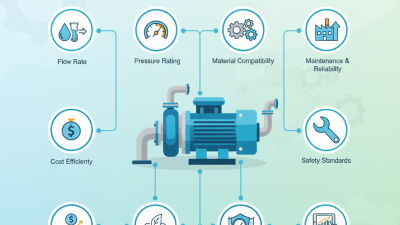
Choosing the right hydraulic oil pump starts with understanding the machine, not simply selecting the largest available model. A hydraulic oil pump must match the required flow rate, operating pressure, fluid viscosity, and duty cycle. In real workshop conditions, these details often differ from catalog assumptions. A press may need steady pressure, while a mobile loader demands quick response and variable flow. I have seen pumps fail early because buyers focused on horsepower alone. That mistake is expensive.
Look closely at the working environment. Check the oil temperature, contamination level, shaft alignment, and available installation space. A pump running beside a hot engine may need different seals than one used indoors. Clean oil matters greatly. Even a small particle can damage tight internal clearances. Manufacturer datasheets, service records, and advice from qualified hydraulic technicians provide stronger guidance than price comparisons. Do not overlook noise, maintenance access, or replacement-part availability. They affect ownership costs.
A higher-rated pump is not automatically better. It may waste energy, increase heat, or overload other components. Sometimes, the first selection is wrong. That deserves review, not denial. This guide explains how to compare pump types, calculate practical requirements, verify compatibility, and avoid common purchasing errors. The goal is dependable performance, safer operation, and a hydraulic system that remains efficient under real working conditions.
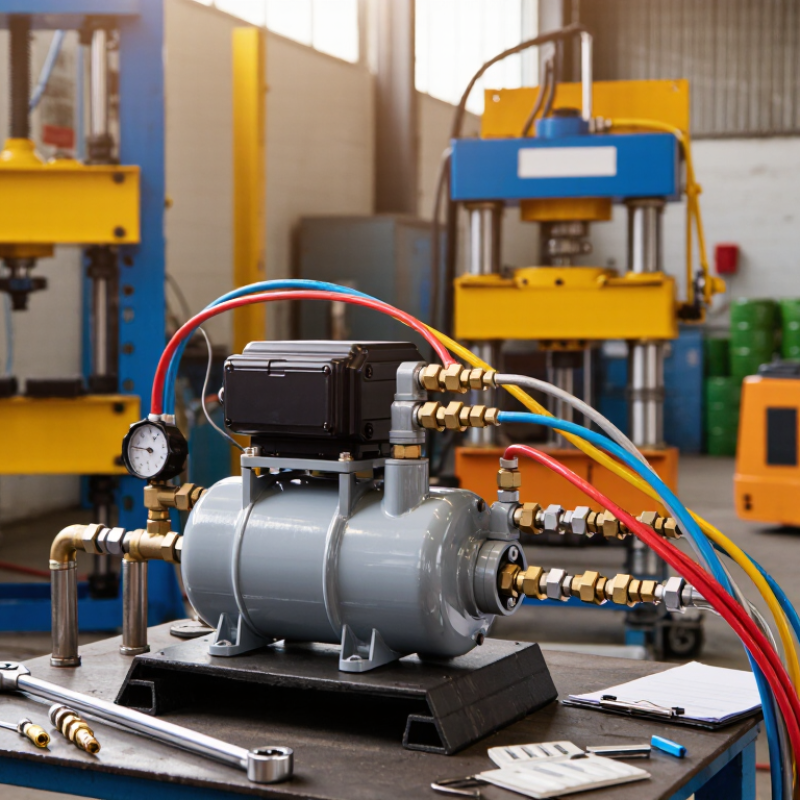
Define the Hydraulic System’s Pumping Requirements
Choosing a hydraulic oil pump starts with defining the system’s real pumping requirements.
Do not select by motor size alone. Measure actuator speed, load, duty cycle, fluid temperature, and expected operating hours. The International Energy Agency reports that motor-driven systems consume about half of global electricity, making efficiency a serious design concern.
Calculate flow from actuator volume and required movement time.
For example, an 80 mm bore cylinder moving 500 mm in 10 seconds needs approximately
15.1 L/min.
Pressure depends on load and piston area. A 20 kN load requires nearly
4.0 MPa
before pipe, valve, and filter losses. Add a controlled allowance, not an oversized guess. Excess capacity can increase heat, noise, and energy consumption.
Temperature changes everything.
Oil that feels suitable during a cool morning test may become too thin after hours of operation. ISO 4413 provides general safety and design requirements for hydraulic systems, including pressure control and contamination management. Cleanliness also matters; ISO 4406 codes help specify particle levels for fluid and filtration planning. Field measurements are valuable. A pressure gauge near the actuator can reveal losses hidden at the pump outlet. Still, I would not trust one reading. Record pressure and flow at cold start, normal load, and peak demand. The first estimate is often incomplete. That is where careful review prevents an expensive pump mismatch.
Match Pump Type to Pressure, Flow, and Operating Conditions
How to Choose the Right Hydraulic Oil Pump?
Match Pump Type to Pressure, Flow, and Operating Conditions
Selecting a hydraulic oil pump begins with real operating data, not a catalog rating. Record required flow, normal pressure, peak pressure, shaft speed, and oil temperature. A system needing 40 liters per minute at 160 bar demands a different pump from one needing 15 liters at 250 bar. Peak pressure matters.
Gear pumps suit simple circuits, steady flow, and moderate pressure. They tolerate everyday service well, but their fixed displacement can waste energy when demand changes. Vane pumps run quietly and provide smooth delivery, provided the oil stays clean and viscosity remains suitable. For high pressure or variable flow, piston pumps are often more appropriate. Their efficiency is strong, yet contamination control and alignment become critical.
Operating conditions can change the decision. Cold oil may overload the motor during startup. Hot oil can reduce lubrication and shorten pump life. Check suction conditions carefully; a long inlet hose or blocked strainer may cause cavitation, producing a sharp rattling sound. Do not select a pump from maximum pressure alone. I have seen systems appear correctly sized but fail because actual flow fell at low speed. That mistake is easy to repeat. Recheck performance at the machine’s slowest and fastest cycles, then confirm filtration, reservoir volume, and relief-valve settings with a qualified hydraulic engineer.
Select Compatible Hydraulic Oil and Construction Materials
How to Choose the Right Hydraulic Oil Pump?
Selecting a hydraulic pump starts with the oil, not the catalog page. Hydraulic oil must match the pump’s viscosity range, pressure, temperature, and seal materials. ISO 11158 classifications help identify suitable mineral-based fluids. However, the oil grade alone cannot confirm compatibility. Check the pump manual and the fluid supplier’s technical data sheet.
A construction site creates heat, dust, and moisture. The National Fluid Power Association reports that contamination contributes to roughly 70% of hydraulic system failures. That figure deserves attention. Use an oil rated for the pump’s working temperature, then control cleanliness according to ISO 4406. A cold morning can make thick oil slow to enter the pump. A hot afternoon can thin it beyond the safe film strength.
Construction materials also matter. Steel and cast-iron housings usually tolerate common mineral hydraulic oils. Aluminum parts may need closer review, especially with additives or high water content. Seal materials must be checked separately. Nitrile suits many mineral oils, while some synthetic fluids can require fluorocarbon or other specialized elastomers. Water-glycol fluids may affect coatings, hoses, and fasteners. Small incompatibilities become leaks. I once saw a seal appear acceptable during a bench test, yet soften after several operating cycles. Laboratory compatibility testing is safer than relying on appearance. Check hoses, reservoir coatings, filters, and fittings together.
How to Choose the Right Hydraulic Oil Pump?
Select Compatible Hydraulic Oil and Construction Materials
How to read the chart: ISO viscosity grades indicate the nominal kinematic viscosity of hydraulic oil at 40°C. Higher ISO VG values provide thicker oil, while lower values flow more easily in cold conditions. Select a viscosity that remains within the pump manufacturer's permitted operating range across the expected temperature range.
Material compatibility: Petroleum-based hydraulic oils are commonly compatible with steel, cast iron, and bronze pump components, as well as NBR seals in many standard applications. FKM seals generally provide broader temperature and fluid resistance. Water-glycol and other fire-resistant fluids require specific confirmation of seal, coating, hose, and pump-material compatibility before use.