Choosing among China’s top flo jet pump suppliers requires more than comparing catalog prices. A dependable partner should understand your application, fluid conditions, pressure requirements, and installation environment. Pump selection can change significantly between agricultural irrigation, marine equipment, industrial transfer, and emergency water systems. Details matter. Experienced buyers usually request performance curves, material specifications, flow-rate data, and energy-consumption figures before discussing final prices. A clear technical conversation often reveals more than a polished website.
Supplier evaluation should include manufacturing experience, engineering capability, quality controls, and after-sales support. Ask whether the supplier performs hydrostatic tests, dimensional inspections, and operating checks on every production batch. Request recent test records, product photographs, and traceable component information. Where applicable, confirm compliance with recognized international standards and the requirements of your destination market. A trustworthy manufacturer should explain limitations honestly, including temperature ranges, suction conditions, seal choices, and maintenance intervals. Vague answers deserve attention.
Site visits, video inspections, and reference checks can strengthen your judgment. Speak with customers using similar pumps, not only large brands or selected testimonials. Check packaging quality, spare-parts availability, response times, and warranty procedures. These practical details often determine long-term value. However, no supplier review is perfect. A strong factory may still have inconsistent communication, while a smaller supplier may offer impressive customization. I have learned that low price can hide testing gaps or delayed support. Therefore, compare evidence carefully, record every requirement, and choose the supplier that offers stable performance, transparent communication, and realistic technical support. Reliability is built before shipment.
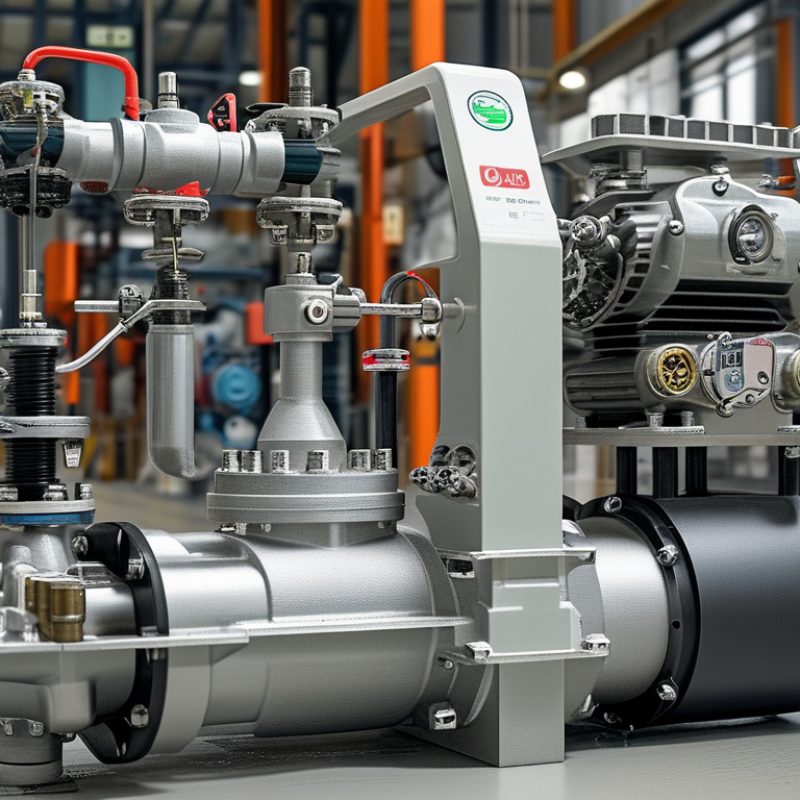
A flo jet pump is a compact diaphragm pump designed to move water or other compatible liquids under pressure. An electric motor flexes a diaphragm, while check valves control the liquid flow. Many models are self-priming, so they can draw water from a tank below the pump. They also stop automatically when a pressure switch detects a closed outlet.
These pumps are common in recreational vehicles, boats, mobile washing systems, garden sprayers, and small water treatment units. You may hear the pump start when opening a tap, then stop after pressure builds. A 12-volt model suits mobile equipment, while higher-voltage versions often serve fixed installations. Flow rate, pressure, voltage, inlet size, and duty cycle must match the application.
Liquid compatibility matters. A pump rated for clean water may fail when exposed to abrasive particles, strong chemicals, or excessive heat. Check the diaphragm and valve materials before ordering. This detail is easy to overlook. In my experience, noise and vibration also deserve attention, especially inside a cabin or service vehicle. A rubber mounting pad can reduce movement, but it cannot correct poor pipe alignment. Suppliers should provide test data, spare-part information, wiring guidance, and clear warranty terms. Product photos alone are not enough. Some specifications look impressive until real suction height reduces performance.
A Flo Jet pump is a compact diaphragm demand pump that automatically starts when pressure falls and stops when the outlet is closed. The chart shows representative target flow rates commonly used when sizing 12–24 V demand-pump systems for different applications. Actual requirements depend on pressure, pipe length, elevation, and the number of outlets.
Typical system design references: RV and marine water systems generally prioritize compact, low-voltage operation; agricultural spraying and cleaning systems usually require higher flow. Values are representative engineering targets, not company or brand specifications.
China Top Flo Jet Pump Suppliers: How to Choose?
When comparing suppliers, begin with the duty point, not the catalog’s maximum numbers. Check flow rate, pressure head, suction lift, and nozzle diameter under the same test conditions. A pump rated at 40 liters per minute may deliver far less at higher pressure. Ask for performance curves, test tolerances, and the exact operating point.
Motor power also deserves careful review. Compare voltage, frequency, current draw, efficiency, insulation class, and protection rating. For outdoor or humid installations, enclosure protection matters. Examine wetted materials, seal type, temperature range, and corrosion resistance. Stainless steel may suit aggressive water, but material grade must be stated clearly. Do not accept vague terms such as “premium metal.”
Look closer.
Reliable suppliers provide inspection records, dimensional drawings, and traceable quality procedures. Request noise data, vibration limits, spare-part availability, and warranty conditions in writing. Independent sample testing can confirm whether the pump matches its curve. It may cost more, but one failed unit can delay an entire installation. I have seen buyers focus on low purchase prices and overlook energy consumption. That decision often becomes expensive over time. A better comparison includes three-year operating cost, maintenance intervals, and delivery consistency. Supplier communication is also technical evidence. Slow answers to basic specification questions may signal weak engineering support. Allow room for doubt, and verify every critical figure before approval.
China Top Flo Jet Pump Suppliers: How to Choose?
How to Evaluate China-Based Flo Jet Pump Suppliers
Evaluating China-based flo jet pump suppliers requires more than comparing prices. Ask for pump curves, flow-rate records, pressure ranges, and material specifications. A dependable supplier should explain performance under your working conditions. Check whether each test report includes dates, equipment details, and measurable results. Vague documents deserve careful questioning.
Request a sample before placing a larger order. Inspect the housing, seals, impeller, wiring, and connection threads. Ask how the supplier controls batch quality. Factory audits can reveal useful details, such as calibration records, storage conditions, and assembly cleanliness. Confirm production capacity, lead times, packaging methods, and spare-part availability. Communication matters. Slow or unclear replies may create problems later. I have seen technically strong offers fail because small details were ignored.
Tips: Compare at least three suppliers using the same requirements. Verify business documents and relevant quality certifications independently. Ask for customer references in similar applications. Confirm warranty terms in writing, including response time and replacement procedures. Do not accept a perfect claim without evidence. Even experienced buyers can overlook voltage compatibility or fluid-temperature limits. Leave room for testing and revision. A low price is not useful if the pump arrives with unstable output or difficult installation.
| No. | Evaluation Dimension | Suggested Weight | What to Evaluate | Evidence to Request | Practical Reference or Acceptance Point | Score (1–5) |
|---|---|---|---|---|---|---|
| 1 | Product Application Fit | 20% | Confirm that the pump design matches the required liquid, duty cycle, flow rate, pressure, temperature, self-priming requirement, and installation environment. | Completed technical datasheet, pump curve, dimensional drawing, material list, and application references. | The supplier should provide operating data at the buyer’s specified voltage, frequency, flow, pressure, and liquid conditions rather than only a maximum rating. | |
| 2 | Flow and Pressure Verification | 15% | Evaluate whether actual performance is stable across the required operating range, including pressure drop, flow consistency, and shut-off behavior. | Factory test report, sample test results, calibration records for flow and pressure instruments, and an agreed inspection plan. | Use buyer-defined tolerances. A useful comparison requires test results under identical conditions for every shortlisted supplier. | |
| 3 | Materials and Chemical Compatibility | 12% | Check wetted parts, diaphragms, valves, seals, housing, and fittings for compatibility with the pumped liquid and cleaning chemicals. | Material certificates, component specifications, chemical-resistance data, and change-control procedure. | The material selection should be based on actual concentration, temperature, exposure time, and duty cycle—not on liquid name alone. | |
| 4 | Quality Management System | 10% | Assess incoming inspection, process controls, final inspection, nonconformance handling, traceability, and corrective actions. | Valid ISO 9001 certificate, audit report or questionnaire, inspection records, quality manual, and corrective-action examples. | Verify the certificate scope, issuing body, validity period, and whether it covers the relevant manufacturing site. | |
| 5 | Compliance and Export Documentation | 8% | Review electrical, safety, environmental, labeling, and import documentation applicable to the destination market. | Declaration of conformity where applicable, test reports, technical file index, RoHS documentation where required, user manual, and label artwork. | Compliance depends on the destination country, pump configuration, voltage, controls, and intended application. Documents must match the supplied model. | |
| 6 | Production Capacity and Lead Time | 8% | Determine whether the supplier can support samples, pilot orders, recurring production, seasonal demand, and urgent replacement requirements. | Capacity statement, production schedule, standard and customized lead times, bottleneck analysis, and shipment history. | Compare quoted lead time with actual production and shipping time. Require written notification for delays and material changes. | |
| 7 | Sample and Pre-Shipment Testing | 8% | Evaluate willingness to provide representative samples and permit independent or third-party inspection before shipment. | Sample approval form, inspection checklist, test video or report, golden sample control, and third-party inspection terms. | The approved sample should be identified by revision, material, performance data, and date so production units can be compared objectively. | |
| 8 | After-Sales Service and Spare Parts | 7% | Review troubleshooting support, replacement-part availability, repair instructions, response time, and warranty administration. | Warranty terms, spare-parts list, service contact process, failure-analysis procedure, and technical support response commitment. | Warranty coverage should state duration, exclusions, claim evidence, freight responsibility, and treatment of wear parts. | |
| 9 | Commercial Transparency and Total Cost | 7% | Compare unit price, tooling, packaging, inspection, freight, payment terms, spare parts, energy use, and expected maintenance cost. | Formal quotation, Incoterms, payment terms, tooling ownership terms, price-validity period, and costed bill of materials where appropriate. | Select on total cost of ownership rather than purchase price alone. Any price change should require prior written approval. | |
| 10 | Communication and Engineering Support | 5% | Assess technical response quality, English documentation, revision control, escalation channels, and ability to handle customization. | Pre-sales questionnaire, drawing revisions, response records, project schedule, and named technical contacts. | A reliable supplier should identify assumptions, risks, open points, and approval milestones instead of providing only a price. | |
| Weighted Supplier Evaluation Total | 100% | Calculate each score as: Score ÷ 5 × Weight. Shortlist suppliers that meet all mandatory technical and compliance requirements before comparing the weighted total. | / 100 | |||
Choosing among China’s top jet pump suppliers requires more than comparing catalog pressure and price. In field audits, stable performance usually begins with clear test records, not polished sales language. The U.S. Department of Energy’s Improving Pumping System Performance sourcebook estimates pumping systems can consume 25–50% of industrial facility electricity. Efficiency therefore deserves measured evidence.
Ask for hydraulic test curves, flow tolerances, material specifications, and serial-number traceability. ISO 9906 can support acceptance testing for applicable rotodynamic pumps, but certification must match the pump’s design and market. ISO 9001 shows a quality-management system; it does not prove every unit performs well. For potable-water applications, verify relevant contact-material requirements, such as NSF/ANSI 61 or the destination country’s equivalent. Check the certificate issuer, scope, validity, and factory address. A certificate without scope is weak evidence.
Service quality becomes visible after installation. Require spare-parts lists, response times, installation drawings, and bilingual troubleshooting instructions. The U.S. DOE also emphasizes system optimization, including piping, controls, and maintenance, rather than pump selection alone. Ask whether the supplier can review suction conditions and operating cycles. Small details matter. A missing gasket can stop a line.
No checklist is perfect. I would still request a witnessed factory test for critical orders, even when documents look complete. Suppliers should explain failures openly, including incorrect selections and delayed repairs. That honesty is often more valuable than a low quotation.
Reference: U.S. Department of Energy, Improving Pumping System Performance: A Sourcebook; ISO 9906; ISO 9001.
Selecting the best jet pump supplier in China starts with your application, not a supplier ranking. Define flow rate, pressure, liquid temperature, duty cycle, and installation space. A pump for clean water may fail quickly with abrasive particles or chemical exposure. Small details matter.
Ask each supplier for a complete technical datasheet, material specifications, performance curves, and recommended operating limits. Request a sample under conditions similar to your site. Measure actual flow, pressure stability, noise, power use, and priming time. Check production records, quality-control procedures, export experience, and relevant certifications. A polished website is not proof. Factory evidence matters more.
Speak with the engineering team, not only a sales representative. Their answers should be specific and consistent. Review warranty terms, spare-parts availability, lead times, packaging, and inspection procedures before placing an order. Third-party inspection can reduce avoidable risk. I have seen buyers focus on the lowest quotation, then pay more for delays and redesigns. Price still matters, but total operating cost matters more. Do not ignore after-sales response time. A supplier may look capable, yet communication can weaken after payment. Ask difficult questions early, and record every agreed specification in the purchase contract.